Drifts curates, produces, and commissions exhibitions, events, artworks, and performances year-round in collaboration with local and transnational practitioners and institutions.
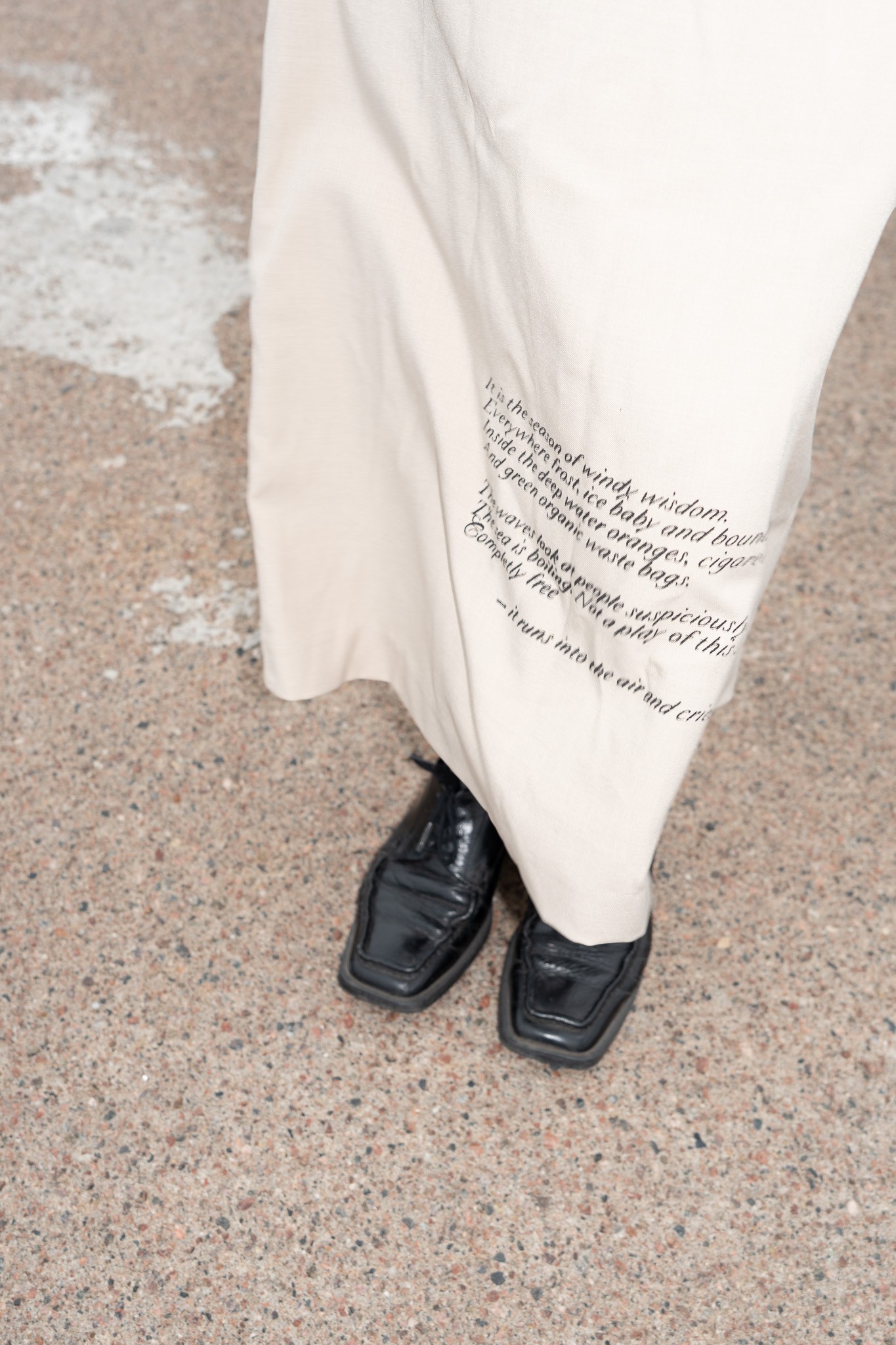
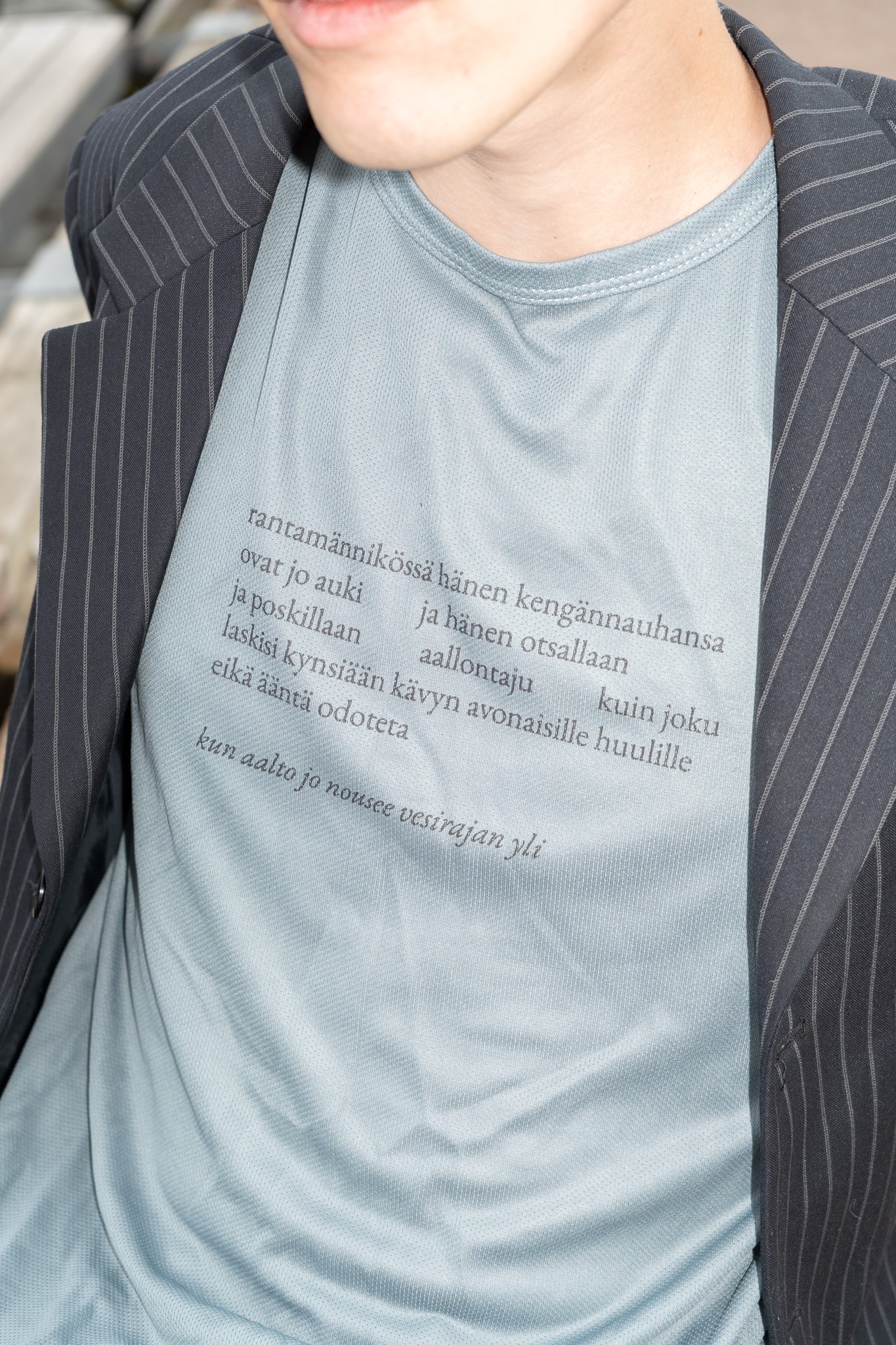
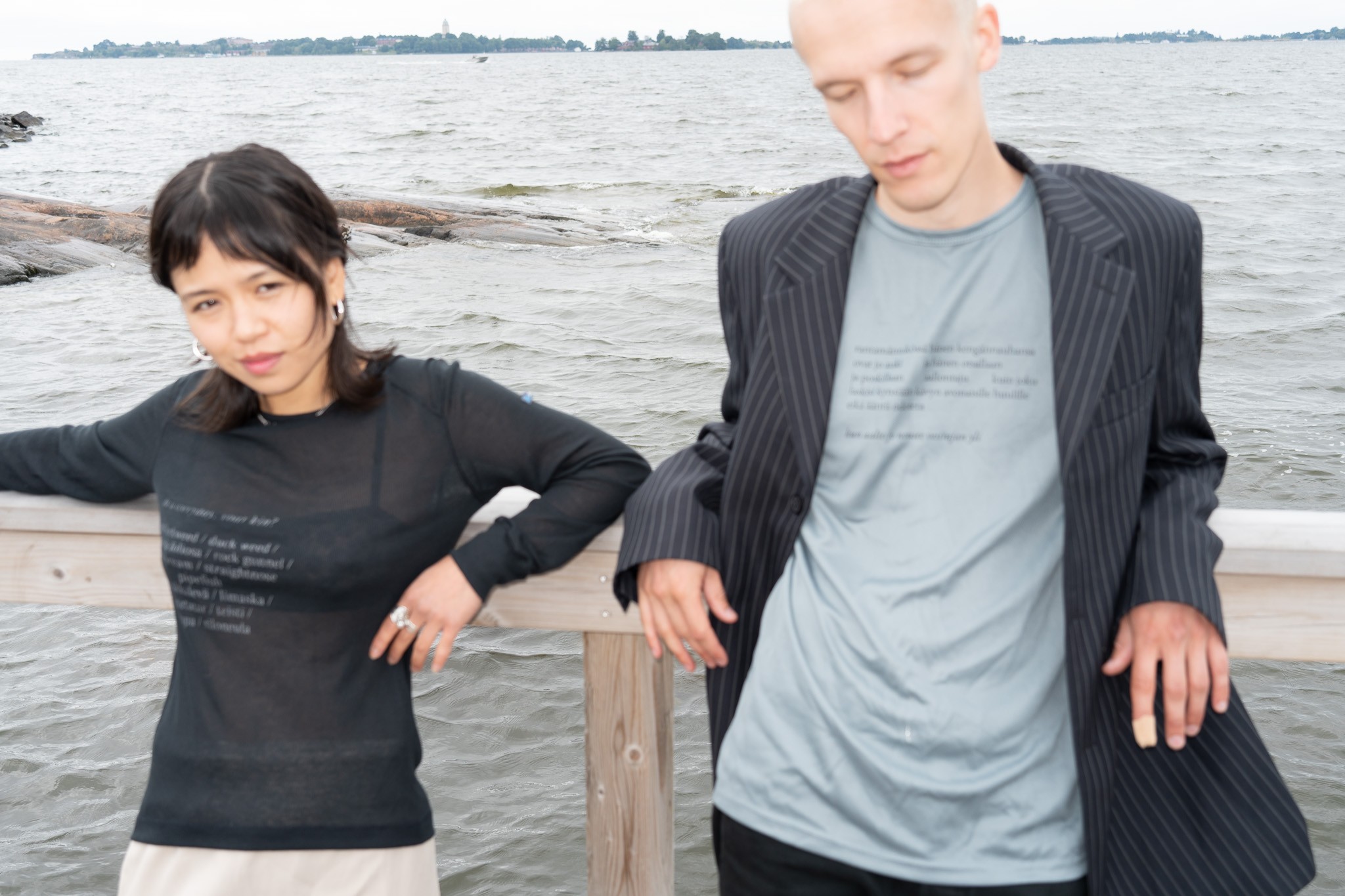
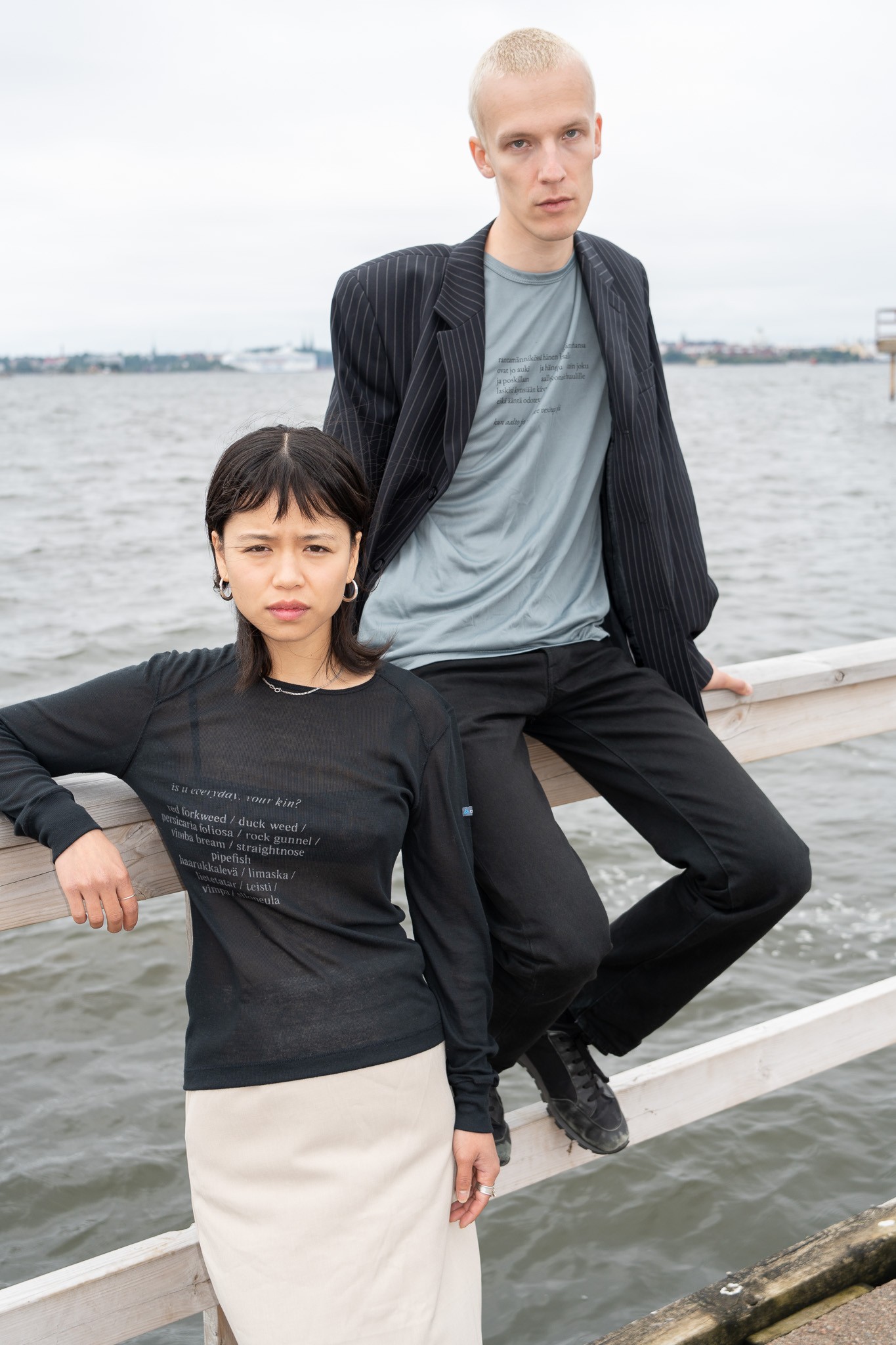
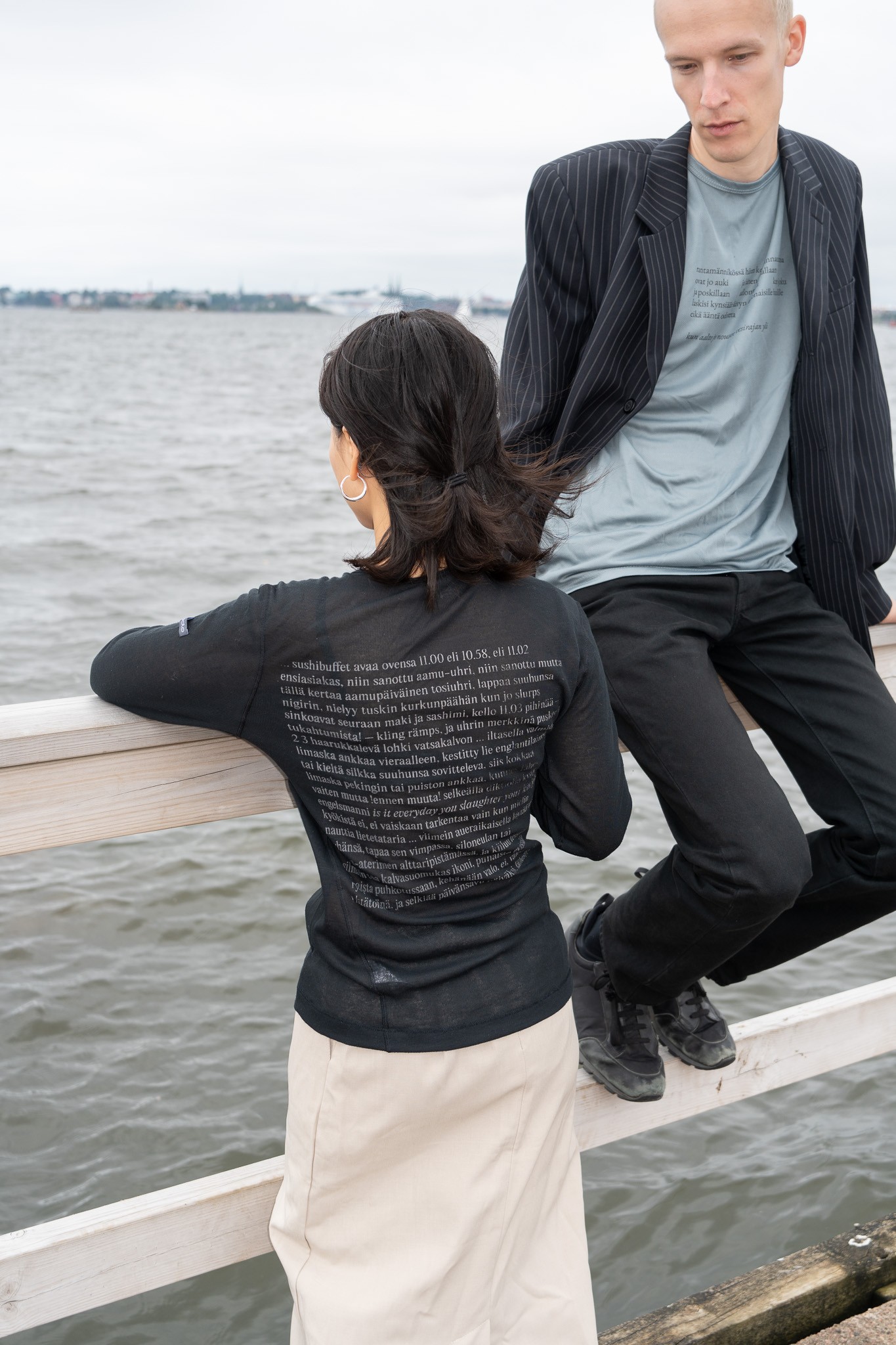
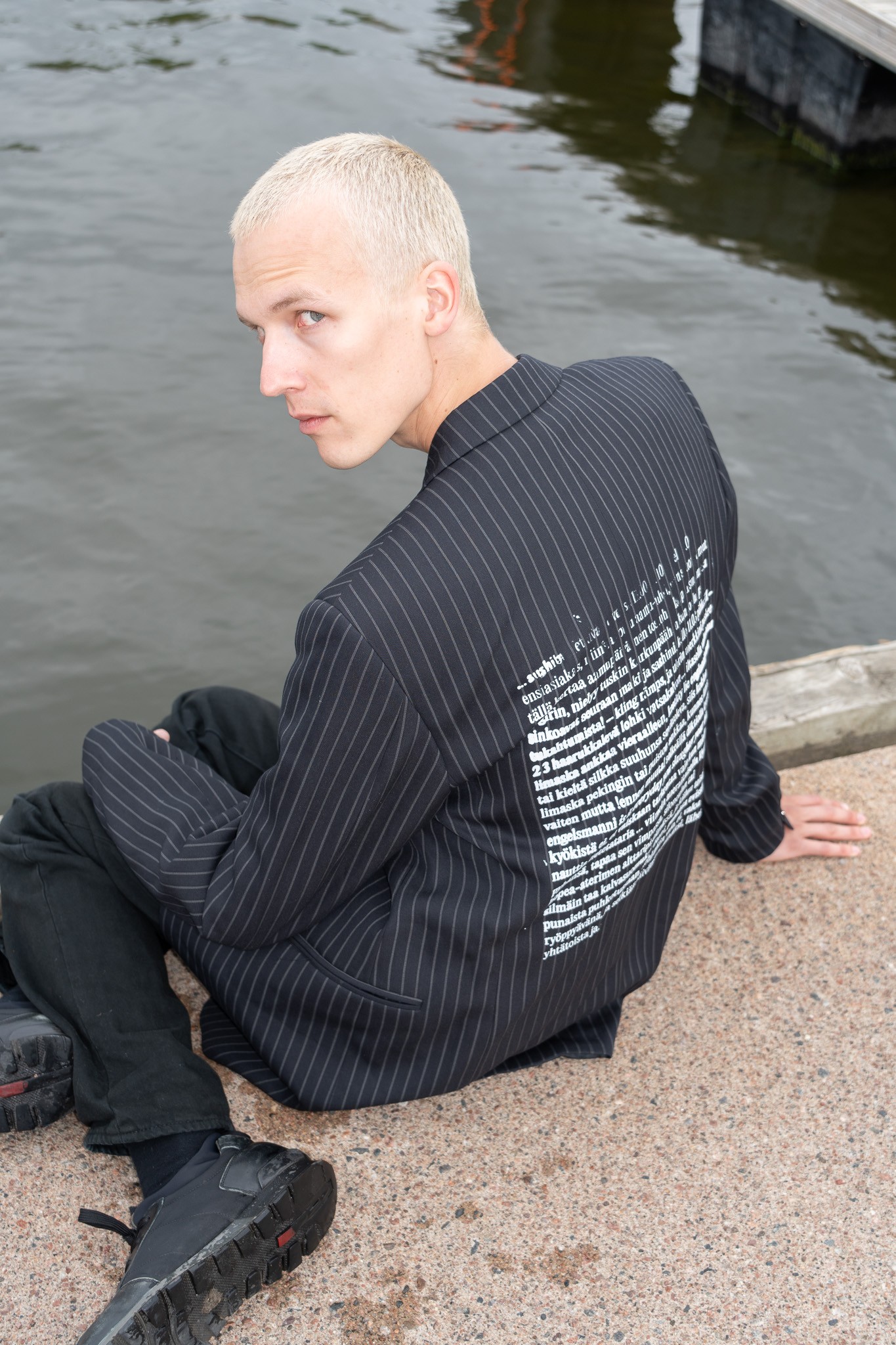
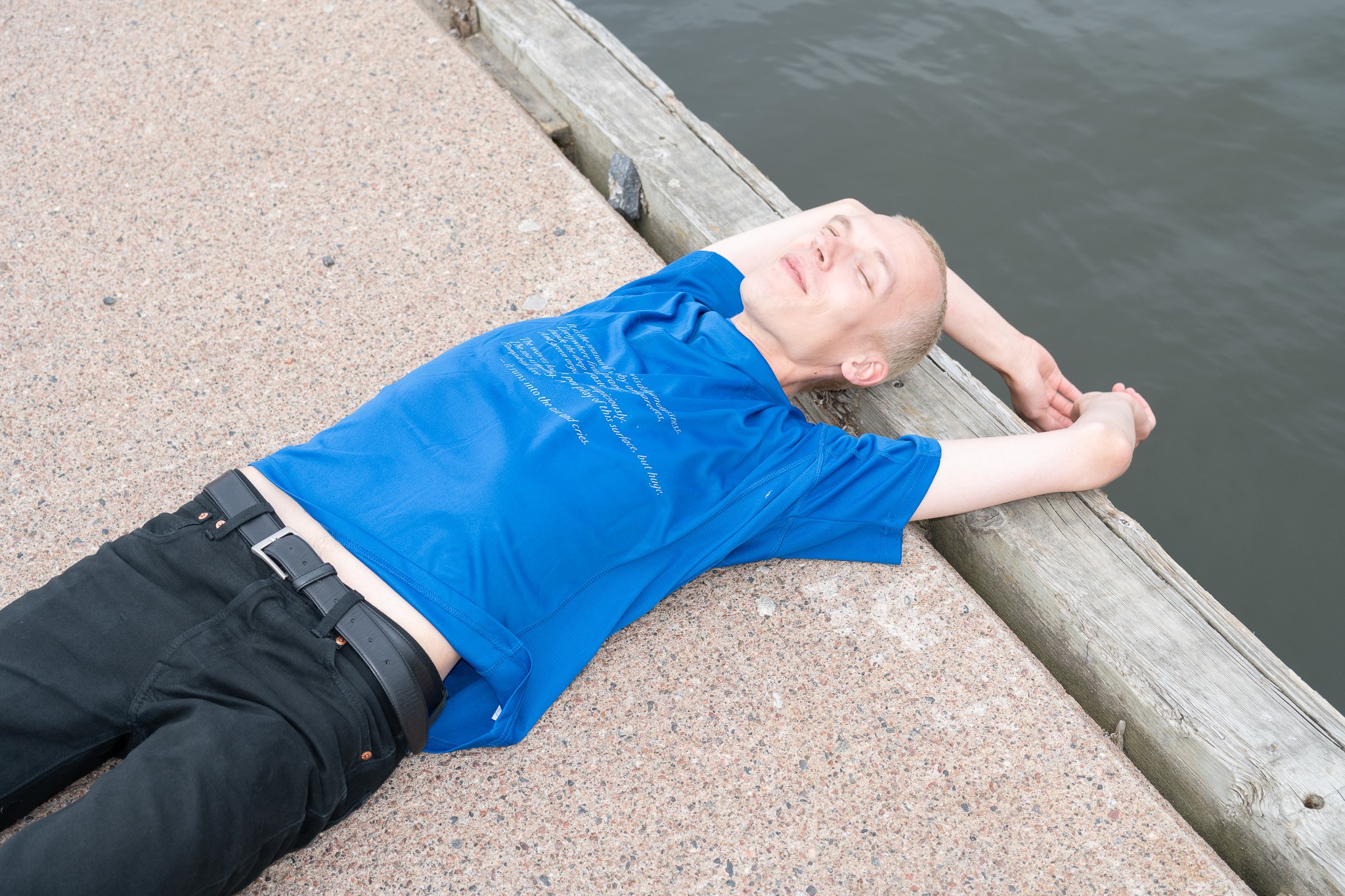
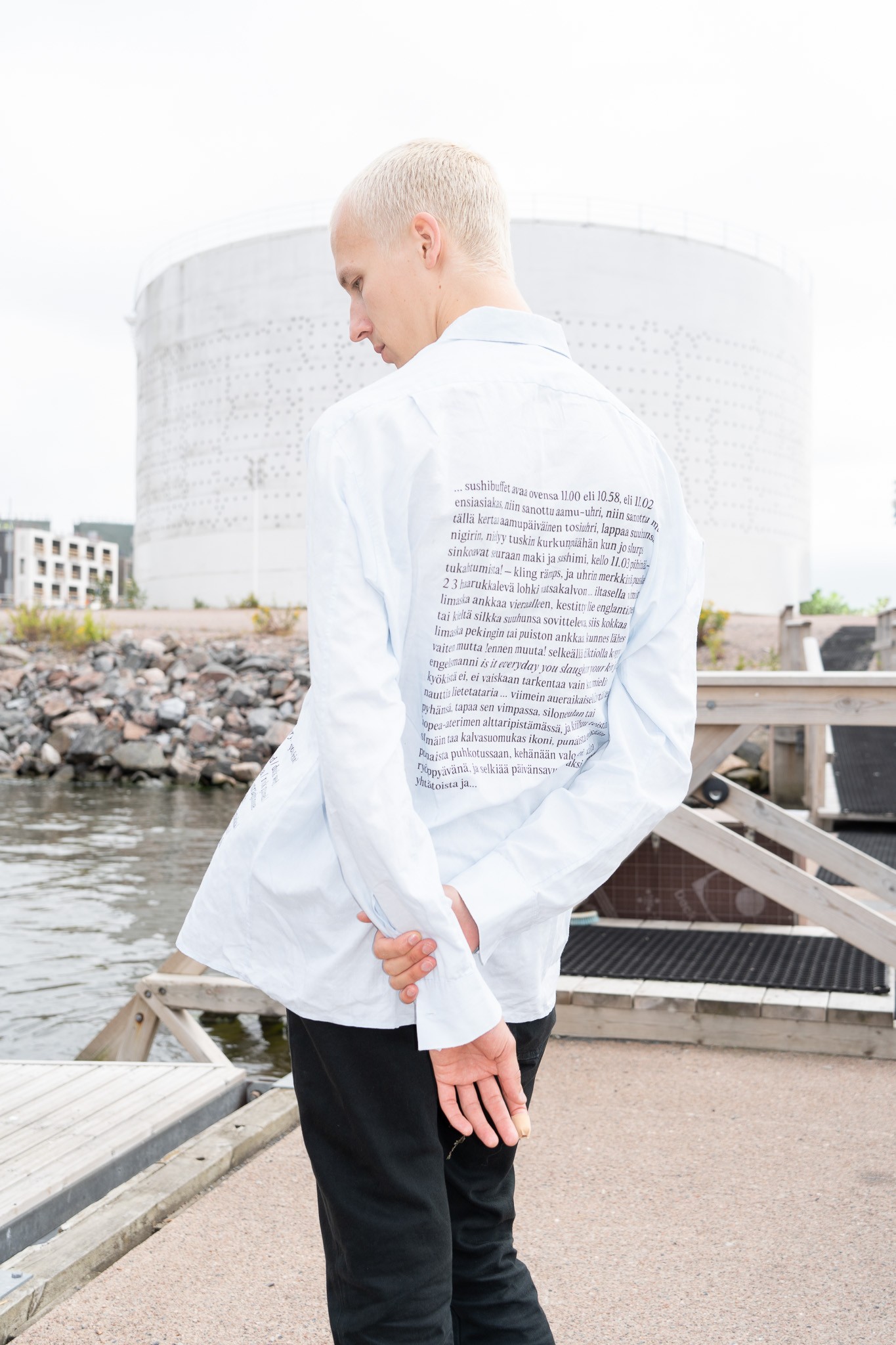
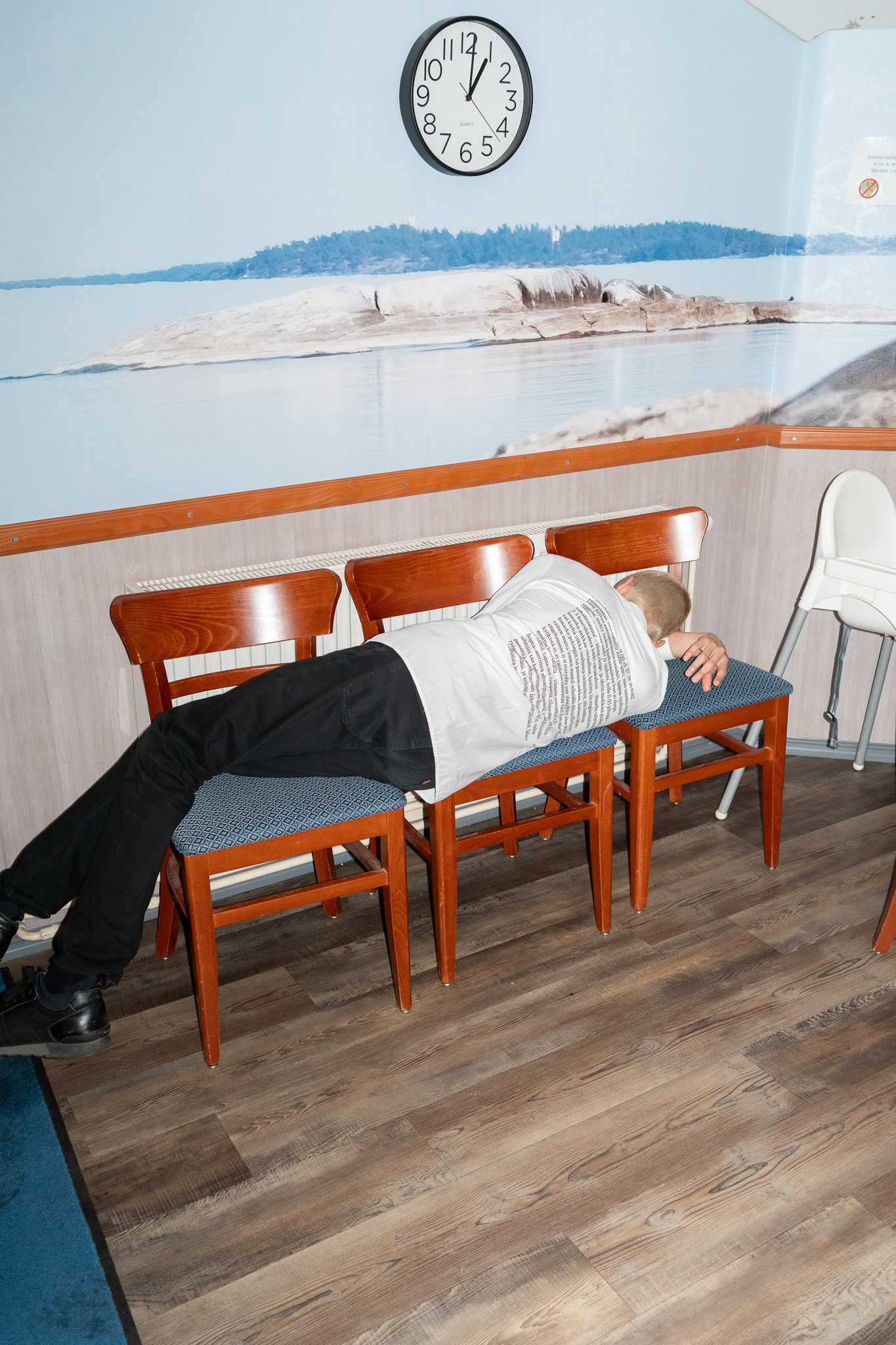
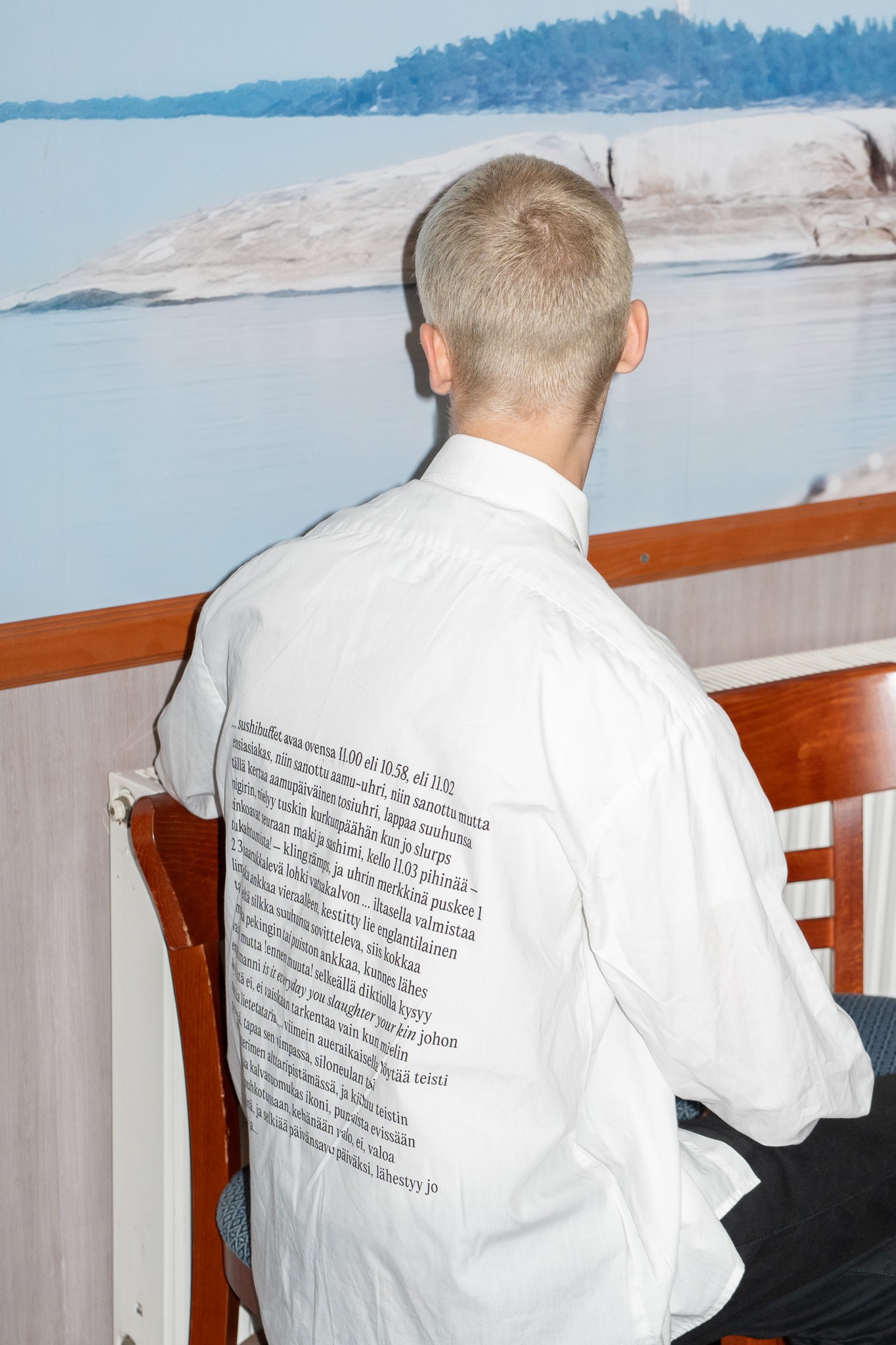
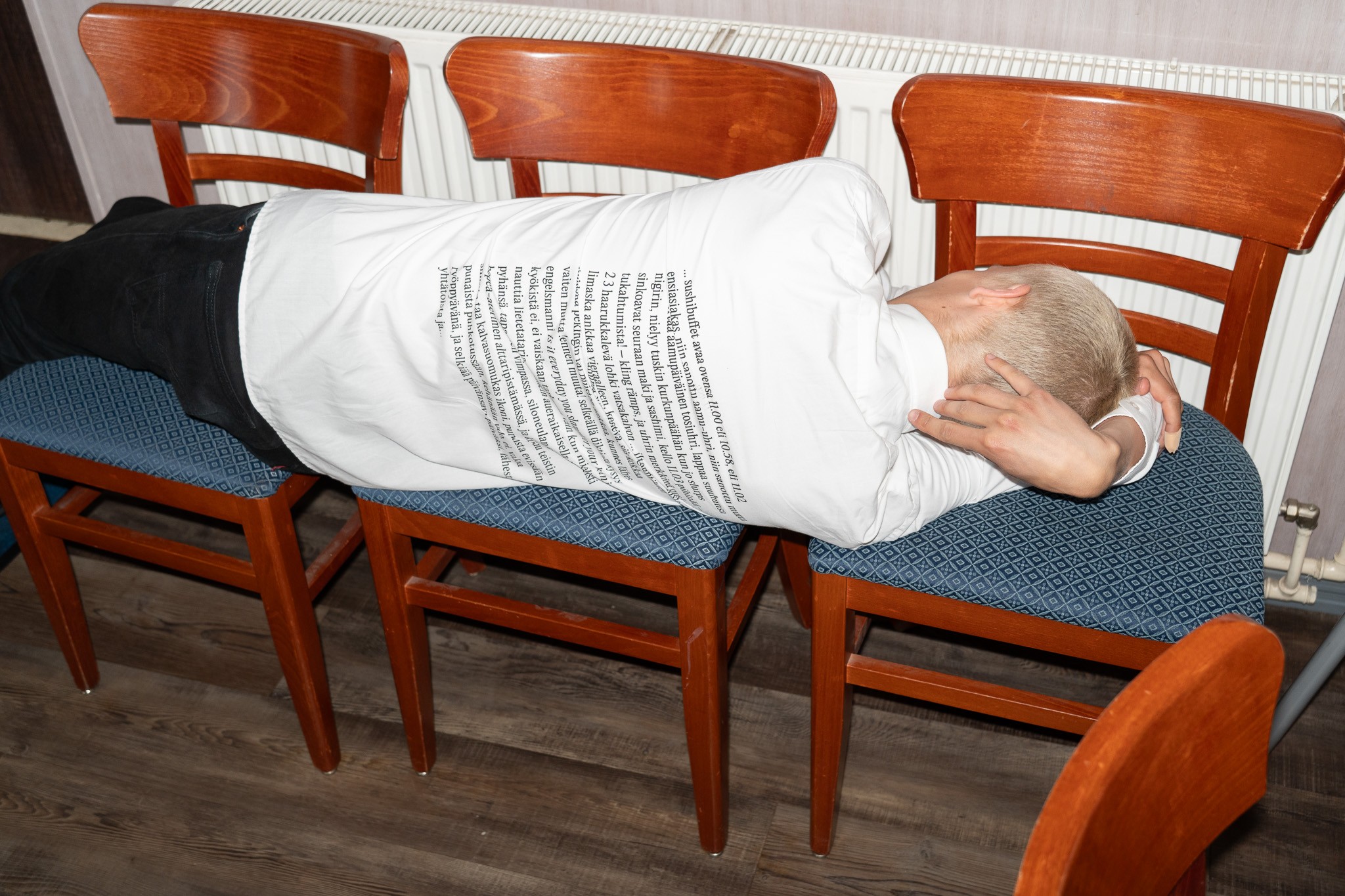
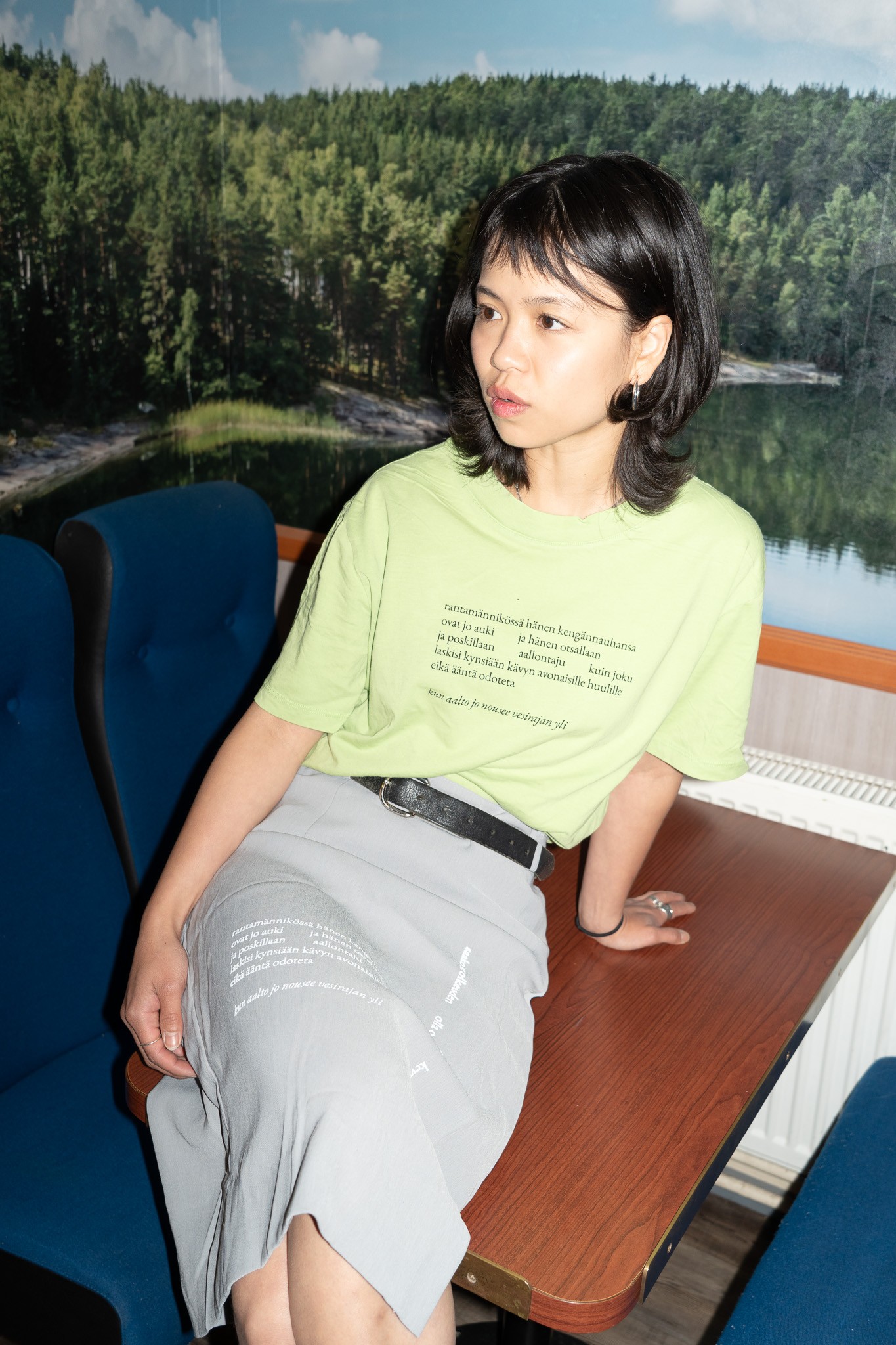
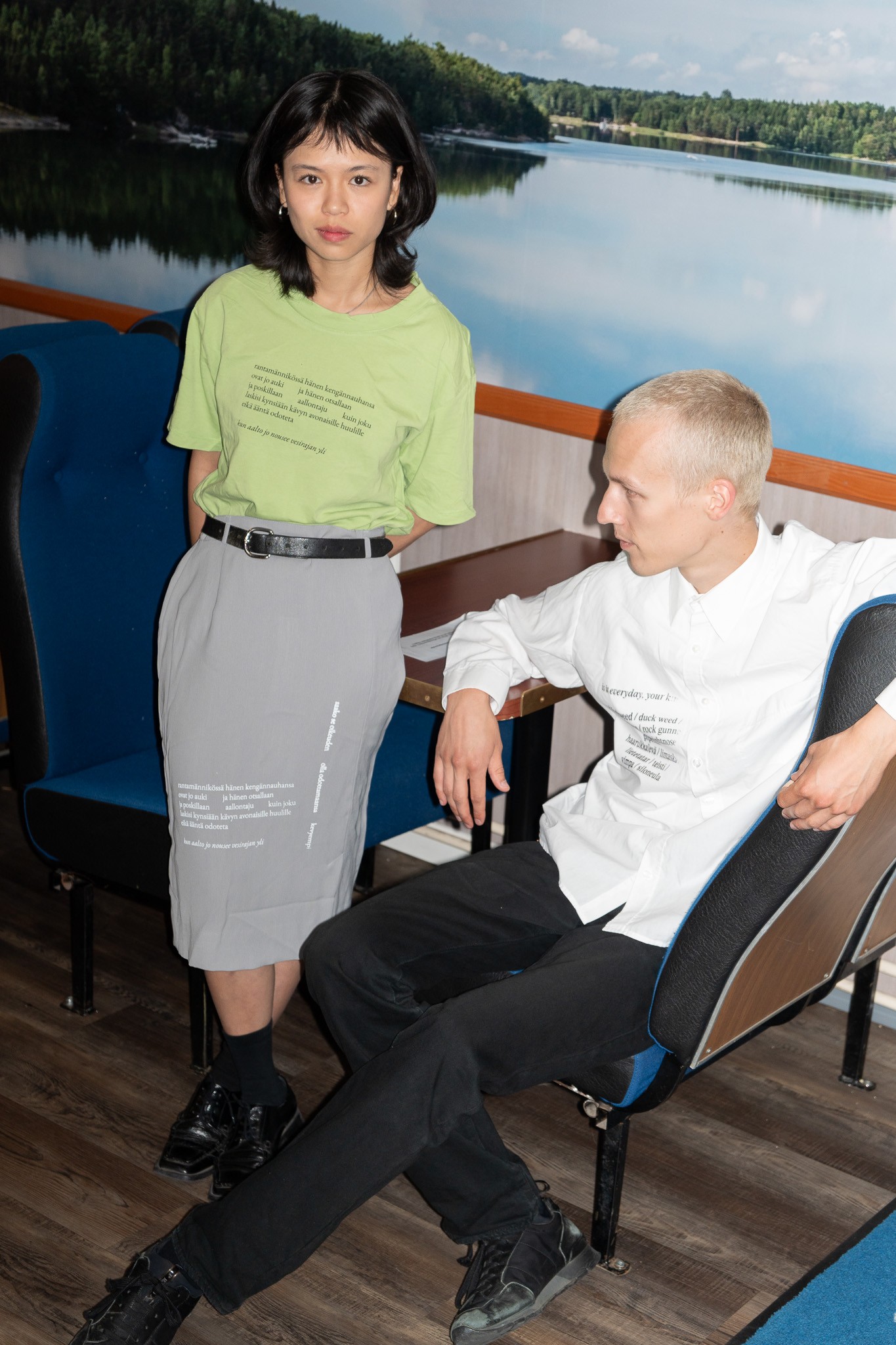
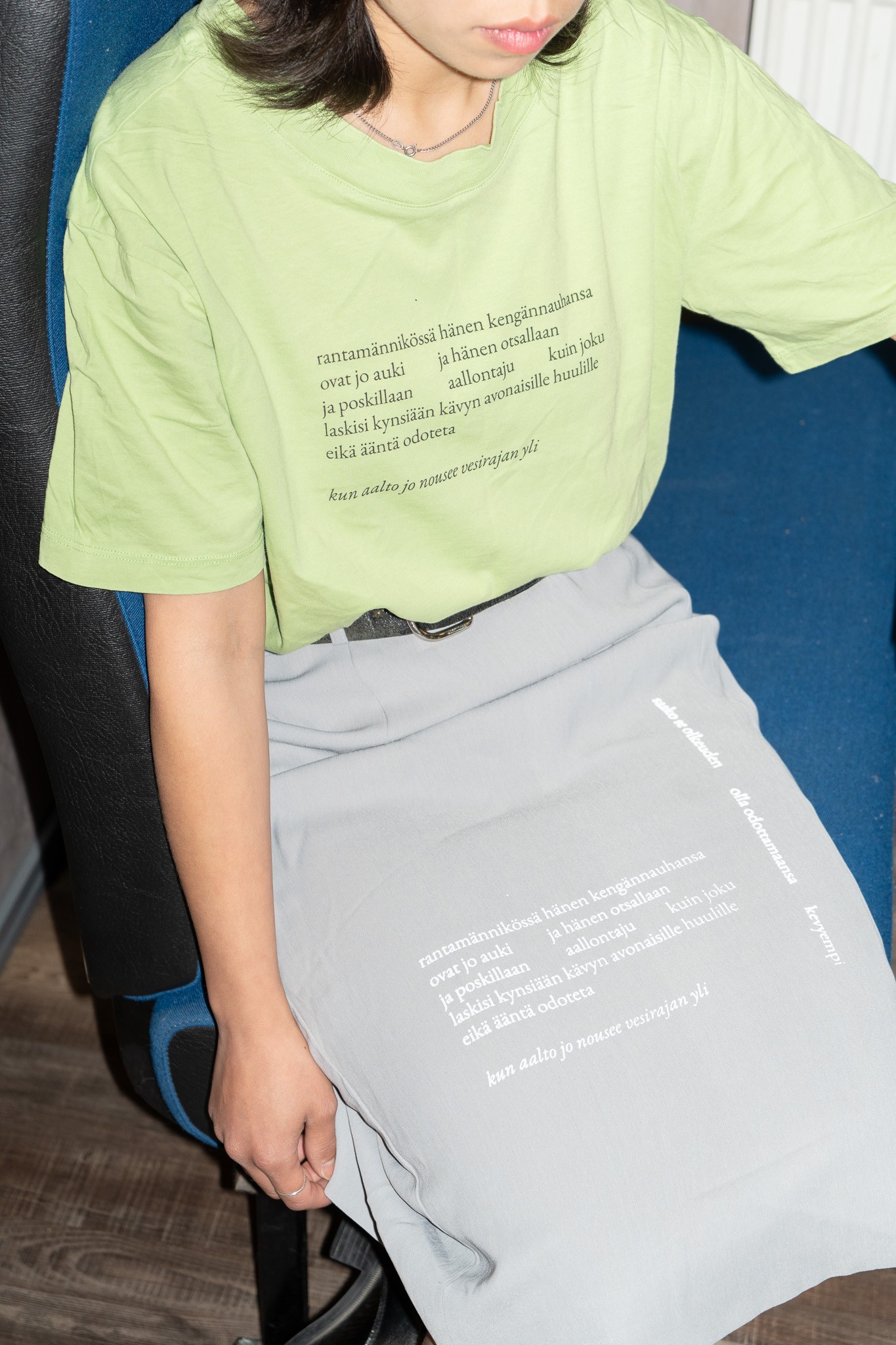

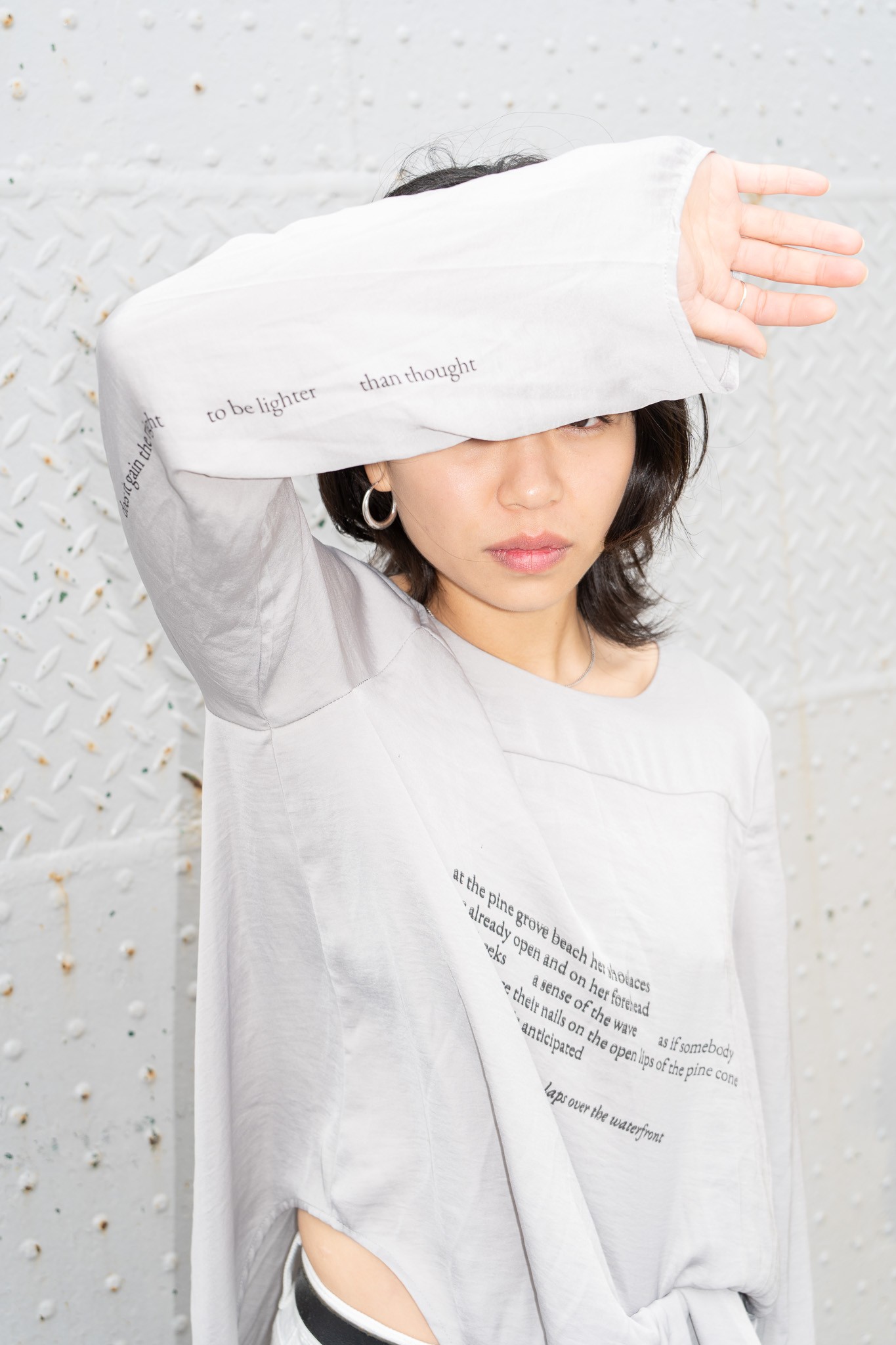
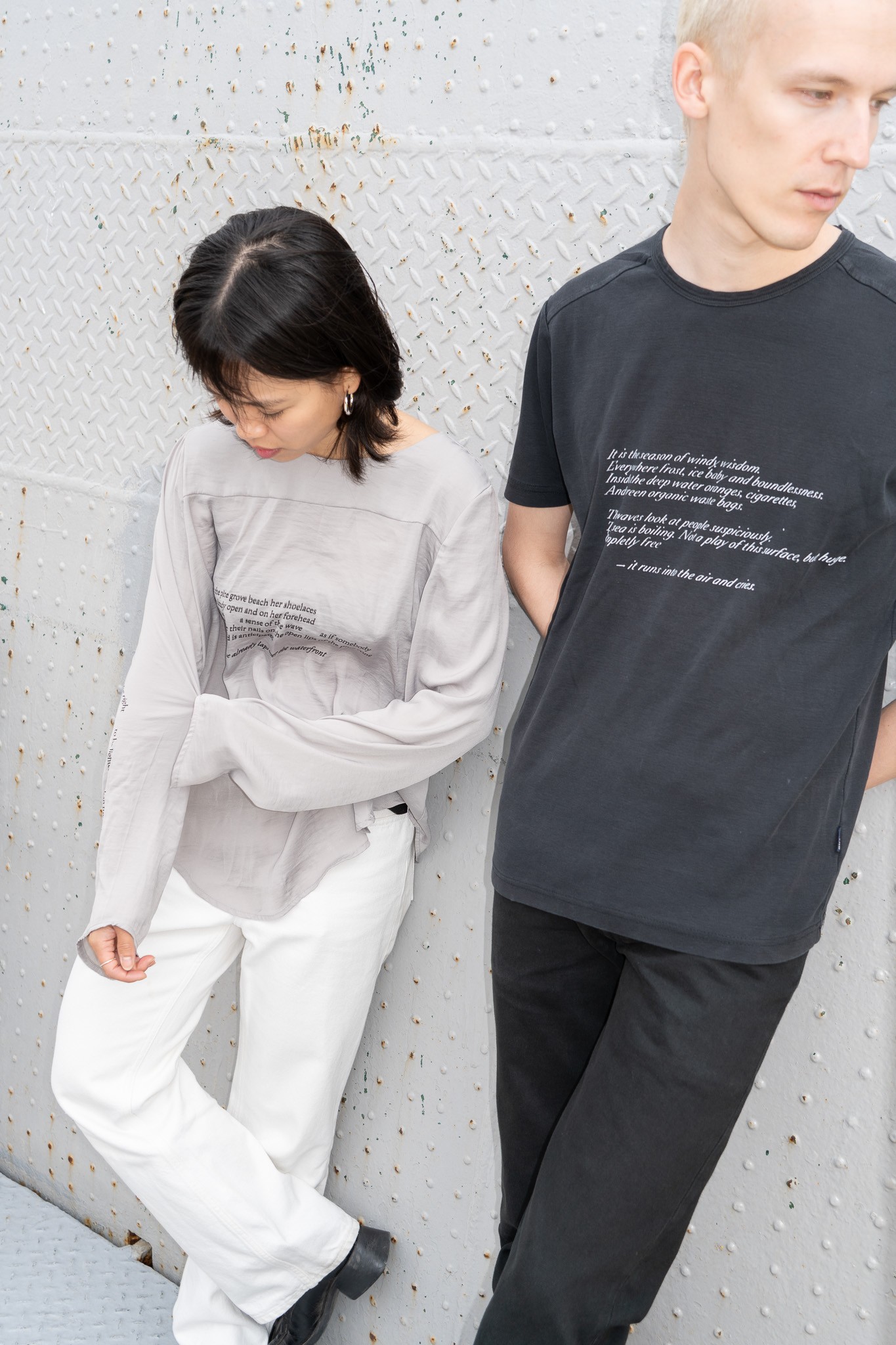
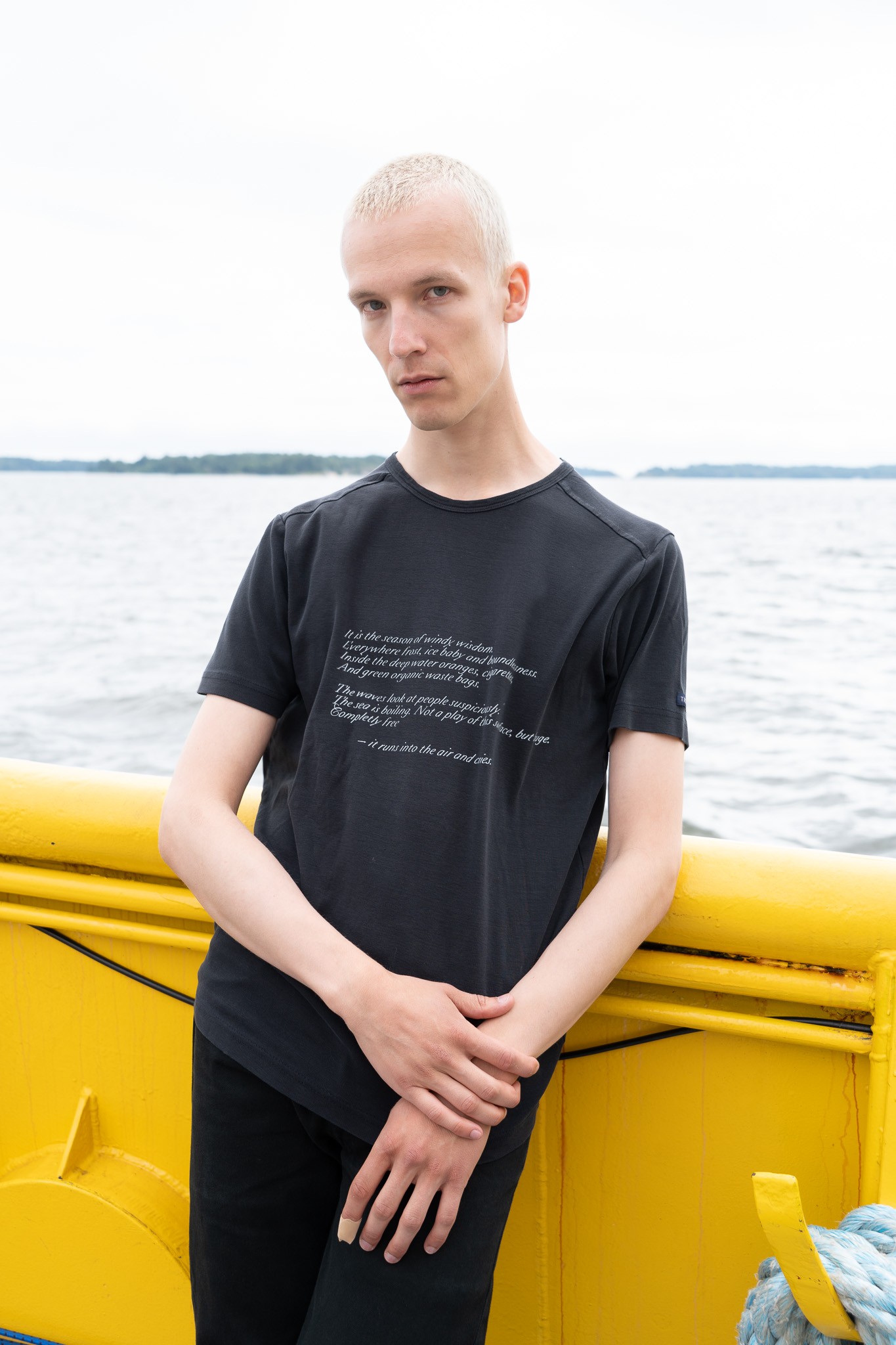
Drifts commissioned new poems by three poets, Sini Silveri, Alba Ala-Pietilä and Milka Luhtaniemi, reflecting on the Drifts Festival 2026 curatorial theme, Unknown Territories: Oceans.
Drawing from these poems, Drifts produced a series of 200 unique wearable artworks, transforming poetry into a material and wearable form.
Poets: Sini Silveri, Alba Ala-Pietilä and Milka Luhtaniemi
Curators: Aala Nyman, Laura Jurmu, Emmi Surwillo
Commission & Text Design: Soko Hwang
Production: Drifts
Photography: Aala Nyman
Models: Trang Chung, Tuure Leppänen
Silkscreen Print Studio: Kalasatama Seripaja
Milka Luhtaniemi (b. 1992) is a poet and a multidisciplinary artist who works across the fields of literature, visual arts and performing arts. She has published three acclaimed books of poetry of which her second one, Tauoton (‘Unceasing’) got awarded with a Kalevi Jäntti prize. Her third poetry book Häikäisy (‘Dazzle’) came out in February 2026. In Milka’s poetry, ecological and corporeal flows meet with precise linguistic perception.
Background of the poem:
"I was sitting on a beach holding a pine cone in my hand and feeling the scales with my fingertips. I started thinking about how the scales of a pine cone and fingernails connect and how the pine needles on the forest floor look like opened shoelaces. Forms started to attach to each other and produce the cadence and image world of the poem. The wave then connects them all."
Milkas poem:
at the pine grove beach her shoelaces
are already open and on her forehead
and cheeks a sense of the wave as if somebody
were to place their nails on the open lips of the pine cone
and no sound is anticipated when the wave already laps over the waterfront
does it gain the right to be lighter than thought
Sini Silveri is a multidisciplinary artist, a poet and a somatic practicer among other things. They have published three collections of poetry: Muovailen muovipussista kaunista kahvaa “I Mold a Pretty Doorknob Out of a Plastic Bag”, (Zäp Books, 2016), Titaanidisko ”Titan Disco” (Poesia, 2020), and Haisee kaikkia tuoksuja ”Smells All the Scents” (Khaos Publishing, 2023). Titaanidisko was awarded the Kalevi Jäntti Prize in 2020. For Silveri, poetry is a form of anarchy.
The poem can also be read in meänkieli, the poet’s emotional dialect for describing water and constant movement of the water.
Translation proofread by Katie Lenanton & Heikki Romppainen (English) and Anneli Silveri (Meänkieli). Thanks also to Milka Luhtaniemi for commenting on the poem.
Sinis Poem:
It is the season of windy wisdom. Everywhere frost, ice baby and boundlessness. Inside the deep water oranges, cigarettes, and
green organic waste bags.
The waves look at people suspiciously.
The sea is boiling. Not a play of this surface, but huge.
Completly free
→︎ it runs into the air and cries.
Alba Ala-Pietilä is a poet and a critic whose debut book of poetry Säiliö was published in the spring of 2025. Ala-Pietilä was granted The Young Poet of the Year Award and Säiliö was among the final seven nominees for the Helsingin Sanomat literature prize.
In the poem she wrote for the Drifts Festival she plays with the different species of the Baltic Sea and the bends and layerings of meaning that happen at the intersections of two languages. A sushi buffet is a stage of revenge, a plant entertains an Englishman and a fish finds it holy.
Albas poem:
red forkweed / duck weed / persicaria foliosa / rock gunnel / vimba bream / straightnose pipefish
haarukkalevä / limaska / lietetatar / teisti / vimpa / siloneula
... sushibuffet avaa ovensa 11.00 eli 10.58, eli 11.02 ensiasiakas, niin sanottu aamu-uhri, niin sanottu mutta tällä kertaa aamupäiväinen tosiuhri, lappaa suuhunsa nigiriä, se tuskin ehtii kurkunpäähän kun jo slurps nakataan joukon jatkoksi maki, siinä vierin tonnikalalohirapu, ja eiköhän korkeahuippuinen gunkankin, kello 11.03, pihinää – tukahtumista! – kling rämps, ja uhrin merkkinä puskee vatsakalvosta lohki haarukkalevä 1 2 3... toisaalla iltasella valmistaa limaska kyökissä ankkaa vieraalleen, kestitty lie englantilainen tai kieltä muuten suuhunsa sovitteleva, kokkaa siis limaska pekingin ankkaa tai confitia savustaa, ehkei ole vielä päättänytkään, mutta englantilainen kysyy, hyvin hiljaa mutta selkeällä diktiolla ennen muuta is it everyday you slaughter your kin johon vastaus hellan ääreltä ei, ei vaiskaan tarkentaa vain kun mielin nauttia lietetataria ... myöhemmin eli jo aamuaikaisin löytää teisti aueraukealla viimeinkin etsimänsä, kaihopyhänsä, löytää sen vimpasta, kalvaiden käsien alttarikantamasta, siloneulan tai hopea-aterimen pistämästä lävistämästä läpäisemästä, ja ratkeaa teistin silmäin taa kiiluva ikoni, siinä seivästetty kiiltosuomukas, punaista evissään punaista puhkotussaan, valo kehänään, ei, valoa purkautuvana ja selkiää siitä päivänsavu päiväksi, lähestyy jo yhtätoista ja...
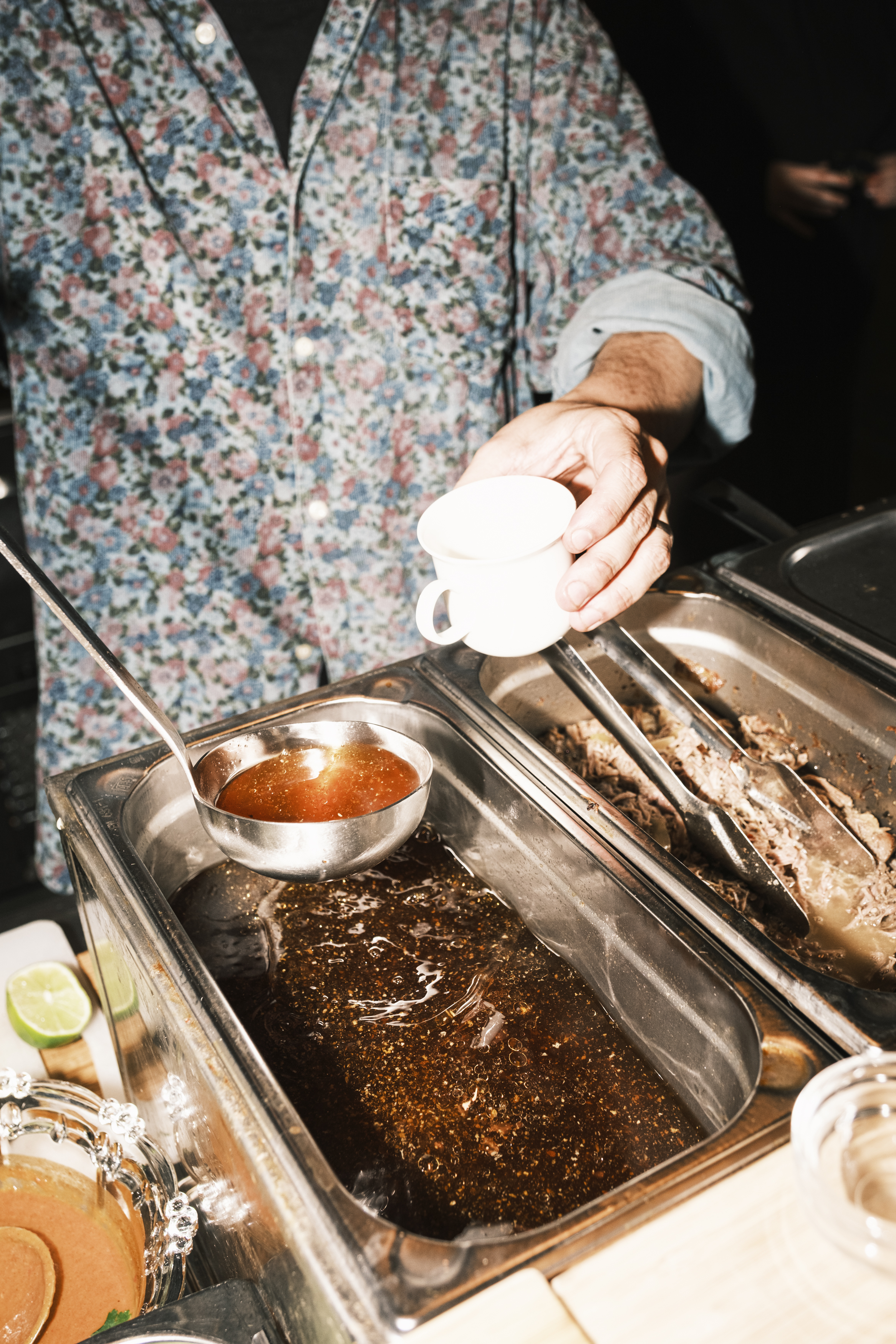
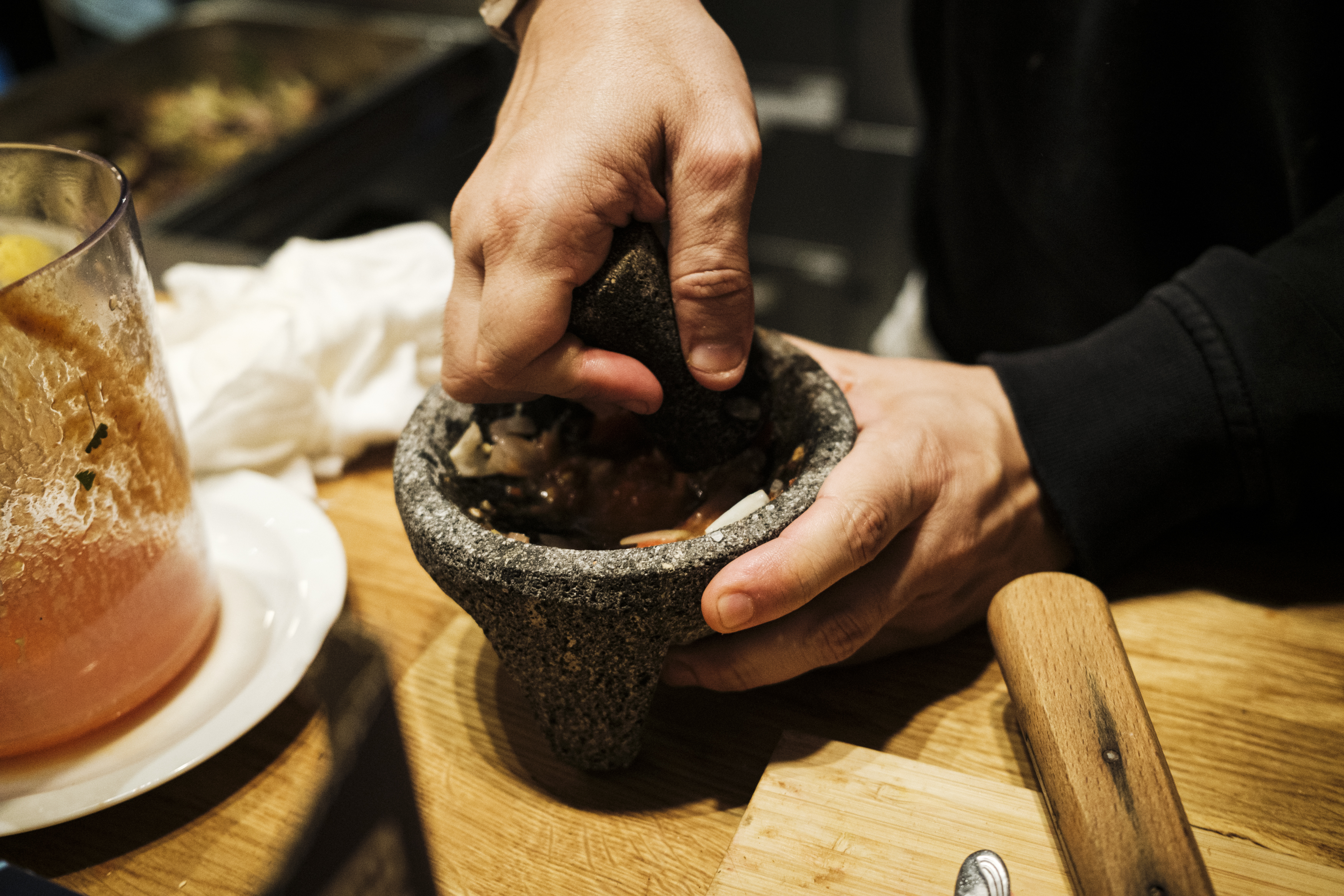
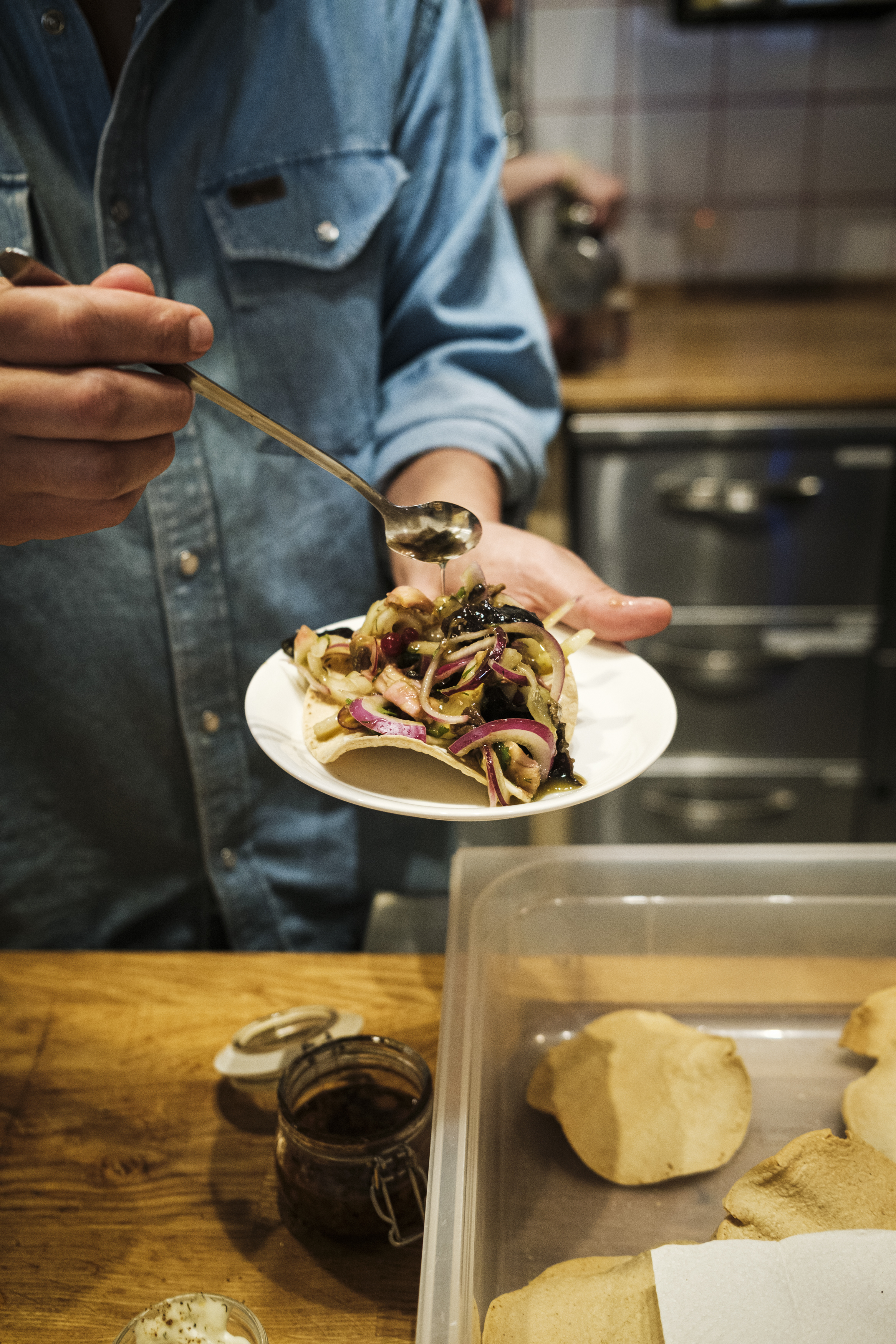
Drifts collaborates with K’u’um Collective to produce a food project centred on sharing recipes and selling food through a pop-up restaurant at Drifts Festival 2026. Developed in dialogue with the festival’s curatorial theme, Unknown Territories: Oceans, the project explores how food, recipes, and ingredients move across oceans, carrying memories and knowledge between different places and communities through maritime routes, migration, and cultural encounters.
Conceived by Amado Peña and Daniel Malpikka, Tekstin Taco is a Helsinki-based writers-run kitchen and conceptual art project that brings Nordic and Mesoamerican ingredients into dialogue through corn-based dishes. Since 2024, it has hosted pop-up culinary events at Bar Tÿpo in the House of Text (Tekstin talo), using food as a medium for exploring literature, storytelling, cultural exchange, and radical hospitality.
The initiative is coordinated by K’u’um Collective, an independent platform focused on syncretism, communal practices, and alternative structures of cultural production. K’u’um develops literary and artistic projects centred on collective creation and is currently supported by the Niilo Helander Foundation.
RECIPE:
Tamal de frijol / Beans Tamale / PapuTamalli
A tamale is a traditional Mesoamerican preparation made from a dough produced from nixtamalized corn. It may be filled with meat, cheese, fruit, vegetables, or other ingredients, then wrapped in a corn husk or banana leaf and steamed. The term derives from the Nahuatl word tamalli, meaning “wrapped.” Prep time: 3-4 hours
Tamalli Ingredients
Beans
Nixtamalized corn flour
Refined coconut oil
Margarine or Crisco
Kale or any wrapping leaf
Garlic
Onion
Red Sauce
Parchment paper
Red Sauce Ingredients
Guajillo chile (Savustettu Guajillo Chilli)
Morita chile or canned chipotles
Tomatoes
Onion
Garlic
Salt
Preparation
Cook the beans: Drain the previously soaked beans and place them in a pot with the charred, grilled onion and garlic. Cover with water and simmer for at least 1 hour, or until the beans are soft. Season with liquified (blend) raw onion and garlic, and salt to taste.
Prepare the masa: Mix the flour, salt, refined coconut oil, margarine, and water until you obtain a soft, workable dough. The approximate ratio of flour : water : fat is 1 : 0.7 : 0.3. Cover the masa with a damp cloth and let it rest for at least 30 minutes.
Prepare the salsa: Remove the stems, seeds, and inner membranes from the chilies. Boil the chilies for about 1 minute, then blend them with the remaining chargrilled ingredients. Season with salt and spices to taste.
Combine the filling: Mix the cooked beans into the masa until evenly distributed.
Assemble the tamalli: Lay a piece of parchment paper on your work surface and place the wrapping leaf on top. Add a portion of the bean masa in the center and drizzle a small amount of salsa over it. Fold the leaf securely around the masa, then use the parchment paper to help keep the parcel closed if needed.
Steam: Arrange the wrapped tamales in a steamer or steaming pot and cook for 45–90 minutes, depending on their size.
Serve: Unwrap and serve warm with additional salsa on top.
Tips
-Soak the beans overnight with a small amount of baking soda.
-Fresh green herbs can be mixed directly into the masa.
-Use some of the bean cooking liquid instead of plain water when preparing the masa.
-Alternatively, prepare the masa the night before using vegetable stock for additional flavour.
-Add approximately 10 g of baking powder per 500 g of flour for a lighter texture.
Note
Most of the ingredients can be found in specialized Mexican grocery stores in Helsinki. Local supermarkets have also been expanding their selection of Mexican products, and in some cases it is possible to request nixtamalized corn flour through your local store.
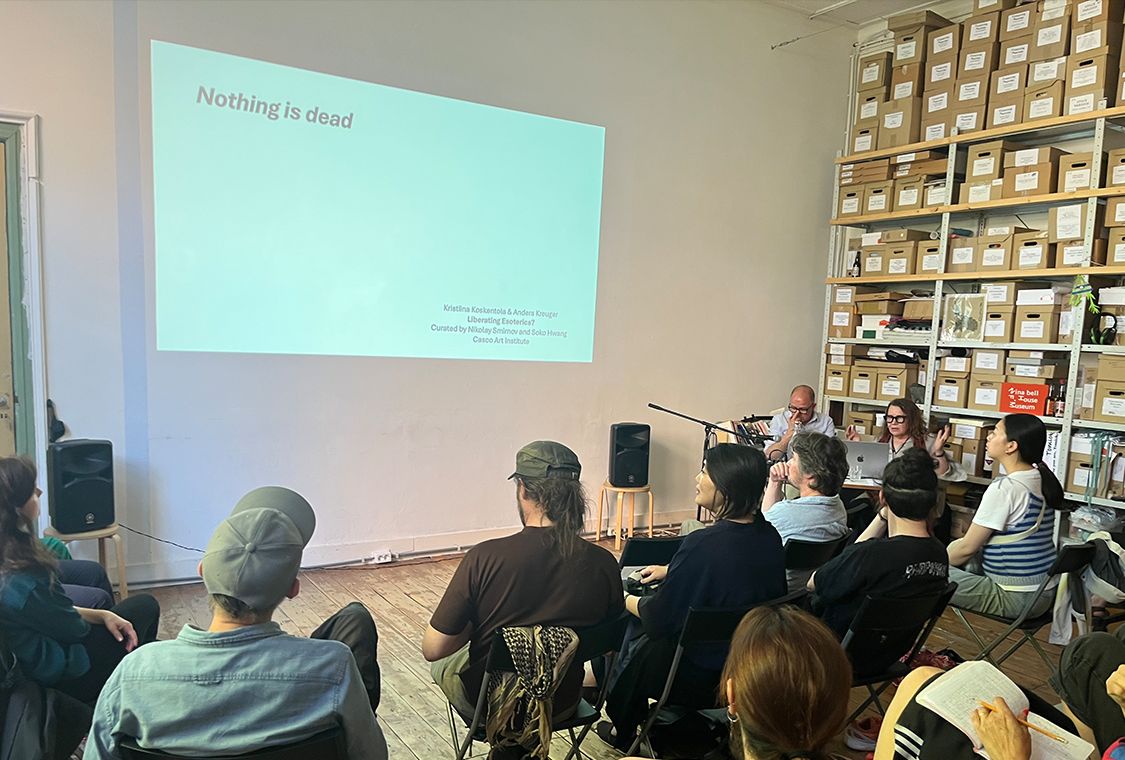
Performative two day Symposium at Casco Art Institute in Utrecht, Netherland on 4–5 July.
A curator and researcher, Nikolay Smirnov, and Drifts’ artistic director, Soko Hwang, co-curated and co-organised the event.. This performative symposium brought together artists, scholars, and curators from Finland and the Netherlands to explore esotericism and alternative spiritualities through the lens of artistic practice. Symposium consisted of performance and conversation exploring the potential of esotericism and alternative spiritualities as tools for revolutionary, anti-authoritarian, and decolonial change.
It questioned dominant narratives that dismiss these spiritualities as inherently reactionary, instead examining how artists engage with ancestral, mystical, or primordial knowledges in ways that can be both liberatory and ambiguous. By focusing on artistic practices, the symposium highlights the tensions between radical, transformative approaches and the contemporary appropriation of similar aesthetics or beliefs by reactionary groups, raising critical questions about the political stakes of engaging with esoteric traditions today.
Participants
Kristiina Koskentola, Anders Kreuger, Jussi Nykänen, Birgit Menzel, Anna Tessmann, Go-Eun Im, Pia Lindman, Lotta Petronella, Minna Henriksson, Gluklya, Soko Hwang, Nikolay Smirnov and Jussi Koitela.
Partners & Supporters
Casco art institute, Frame Contemporary Art Finland, Kone Foundation, and Arts Promotion Centre Finland
N.E.R.D.S. – a.k.a. North European Resonance and Dissonance Society – is an alliance of organisations working with experimental and innovative music in the Nordic and Baltic regions. By 2025, the network has doubled in size from its beginning, going from 7 member organizations to 14, and started a new working period with the support of the Nordic-Baltic Mobility Programme for Culture.
The new season of N.E.R.D.S. started in August 2025 and concludes in November 2027. The network’s cultural workers are using this time to foster collaboration, exchange information, and develop projects, while amplifying the Nordic-Baltic innovative music realm.
During 2025 N.E.R.D.S. met monthly (August–September) online. This working period included internal workshops, meetings and exchanges which strengthened skills related to digitalization, economic sustainability, and creativity in production and promotion.
Working period focused also on the mutual promotion of upcoming events among partner festivals on cross-platform marketing (social media). N.E.R.D.S. website was established to create a shared info space for like-minded event organizers, musicians, and listeners in Nordic and Baltic countries.
Project is led by Skanu Mezs festival(Riga, Latvia).
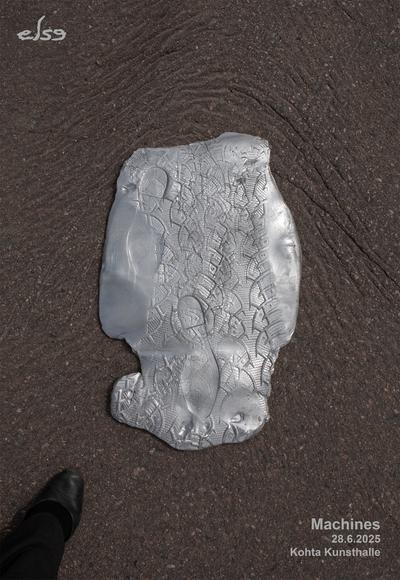
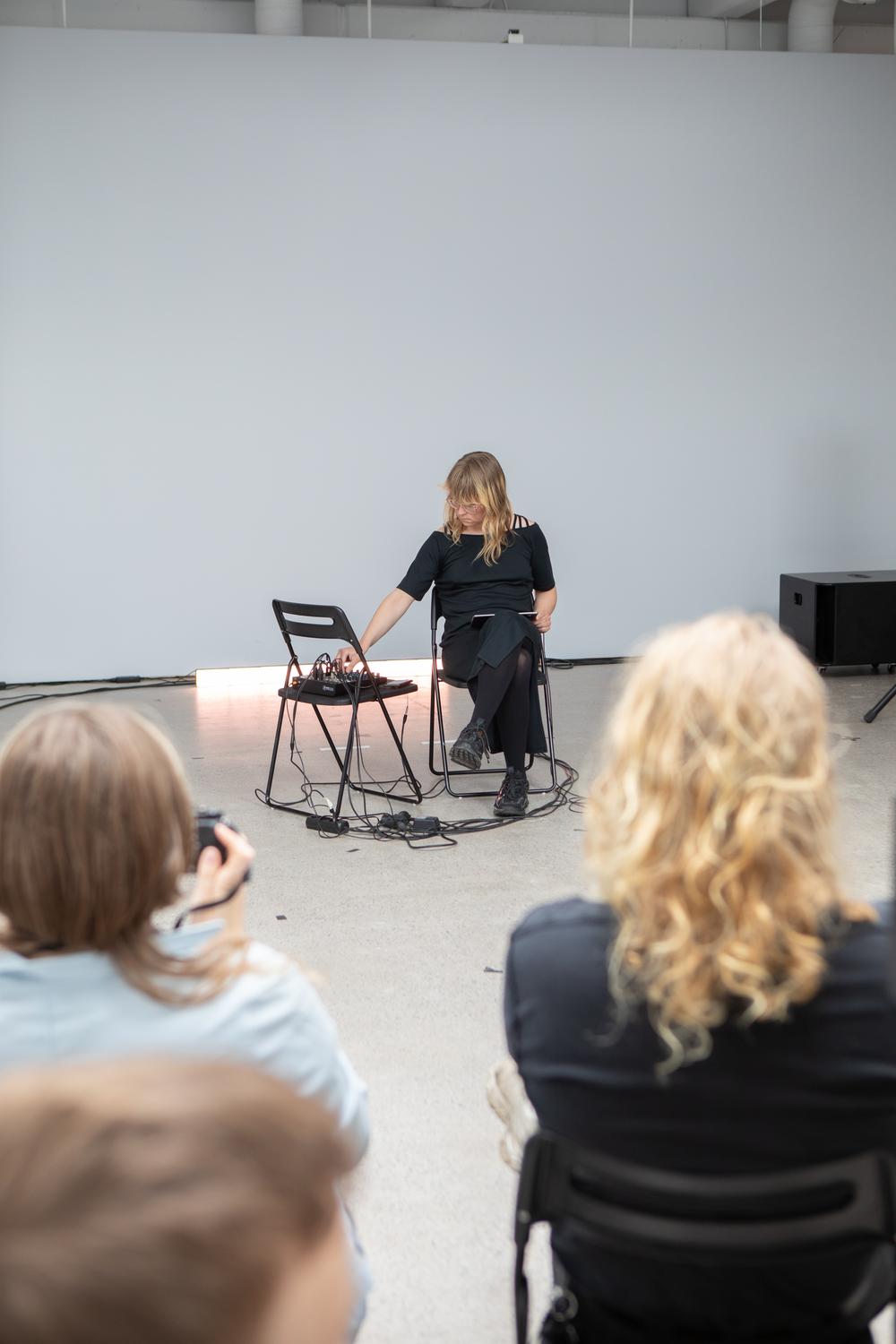
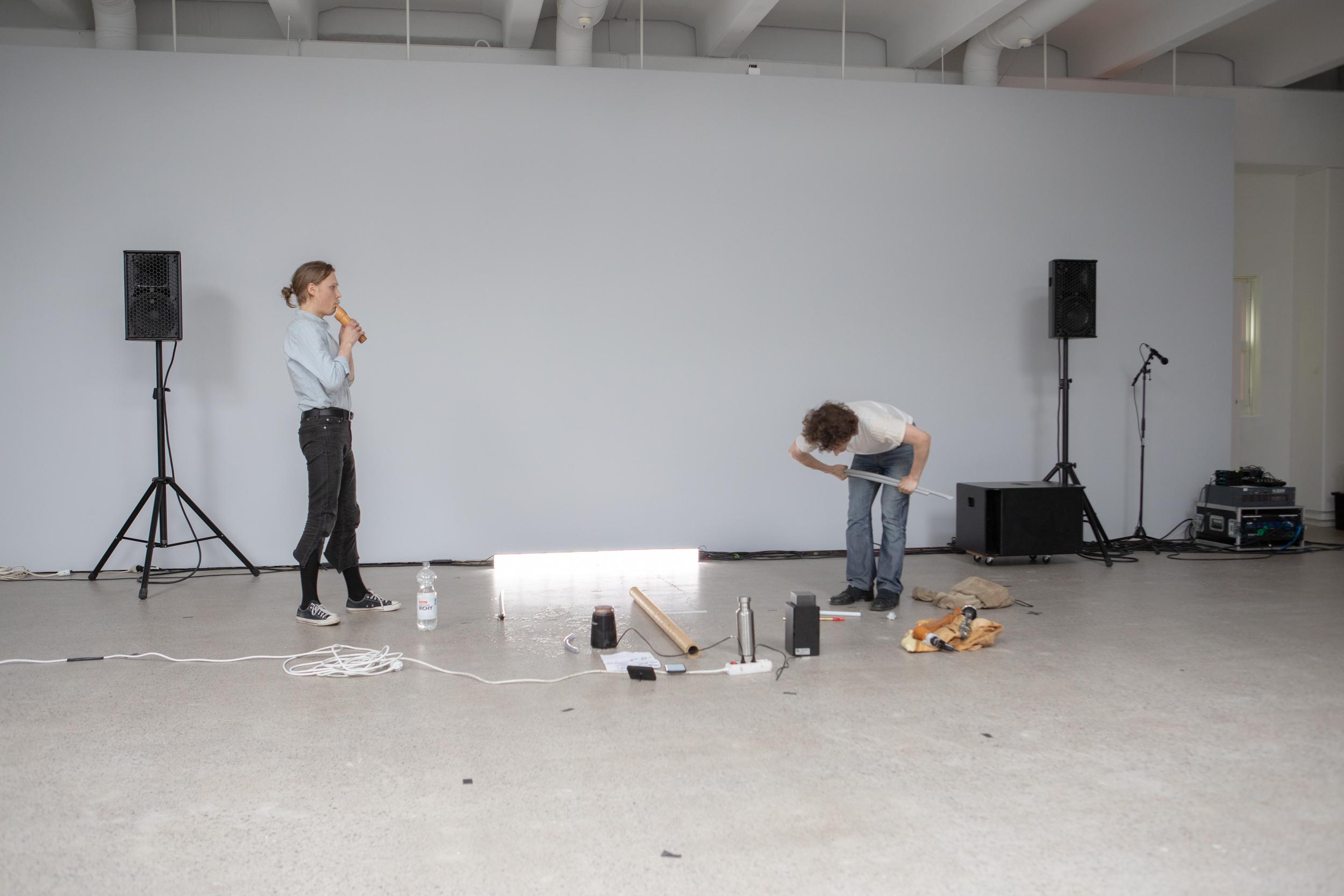
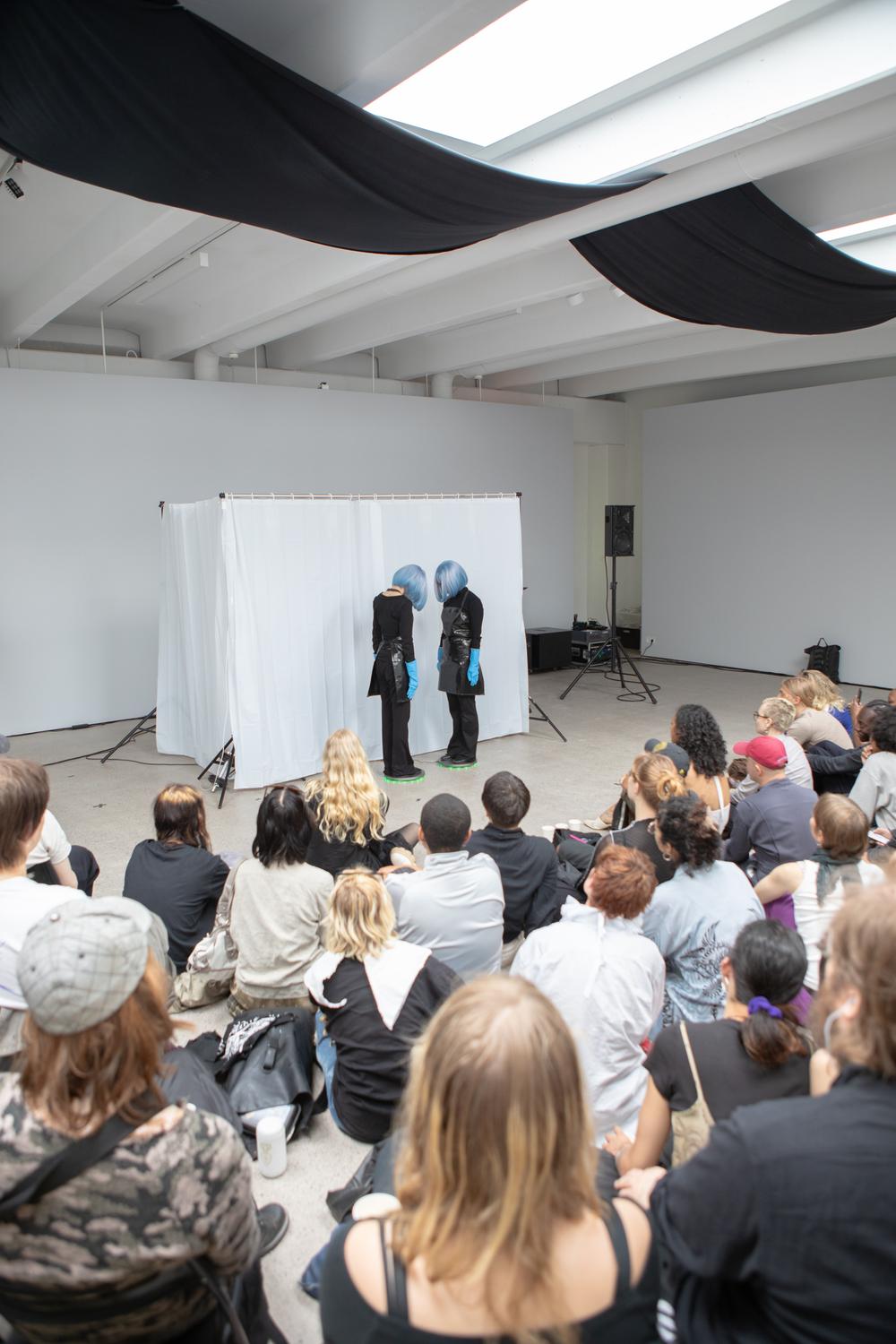
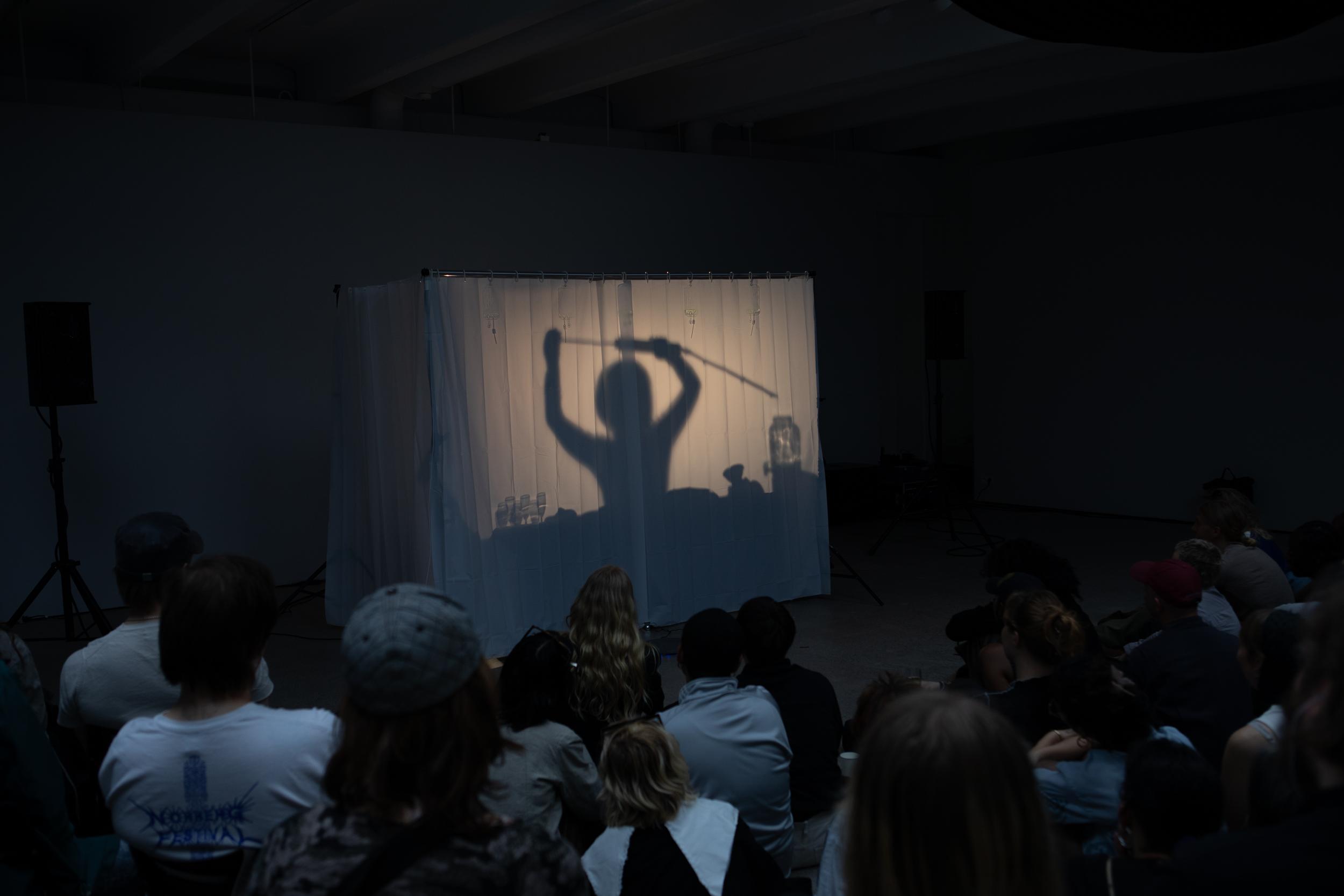
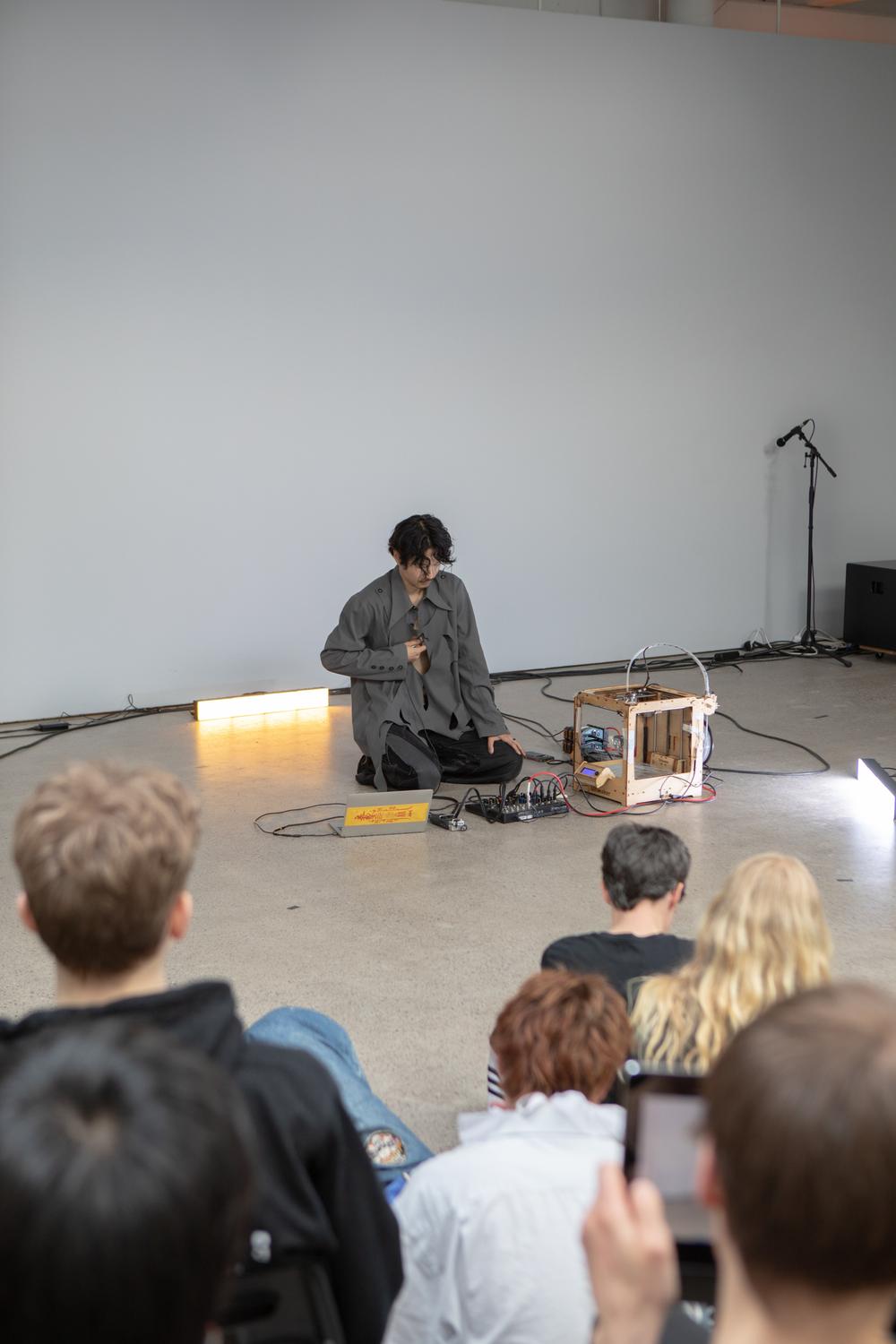
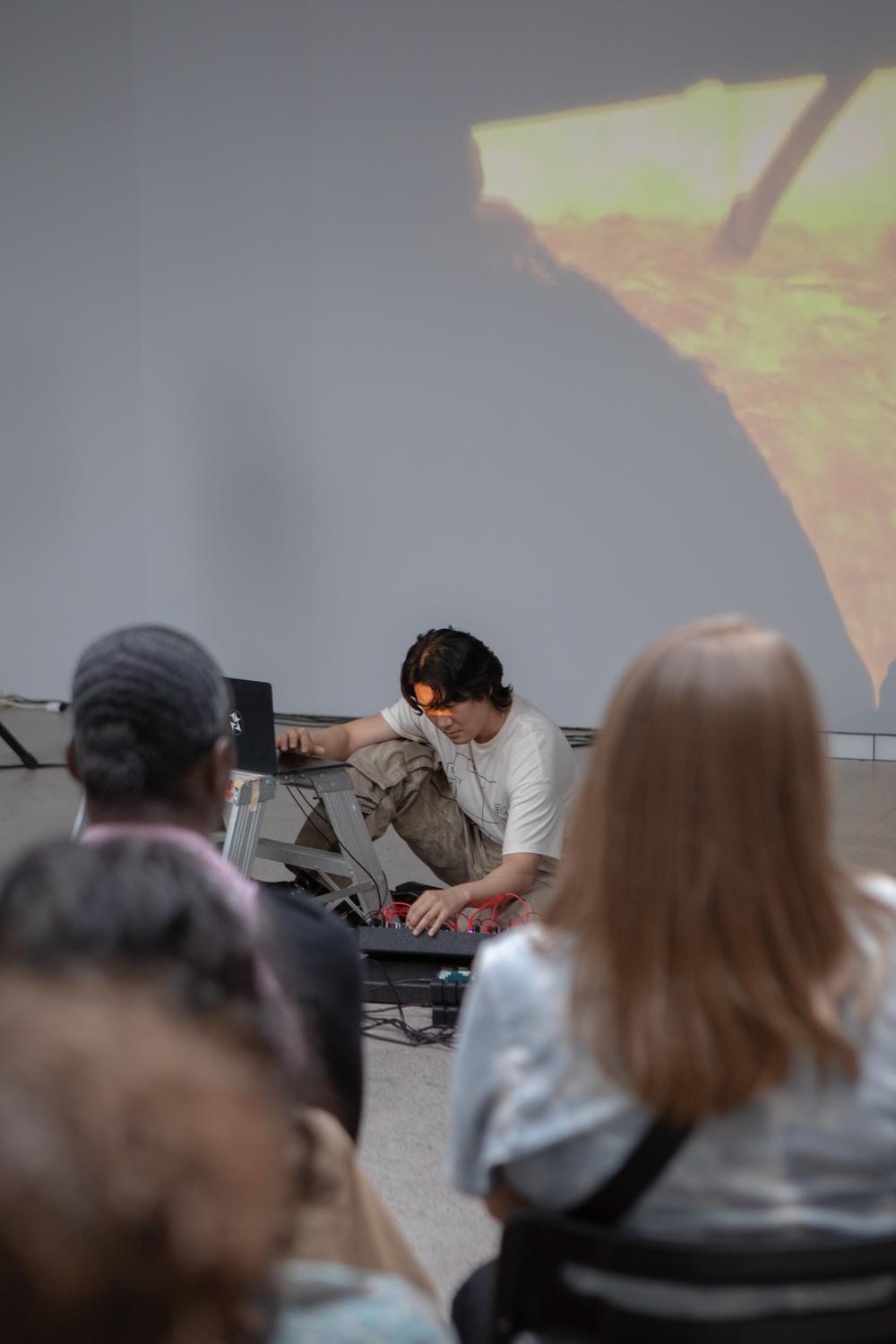
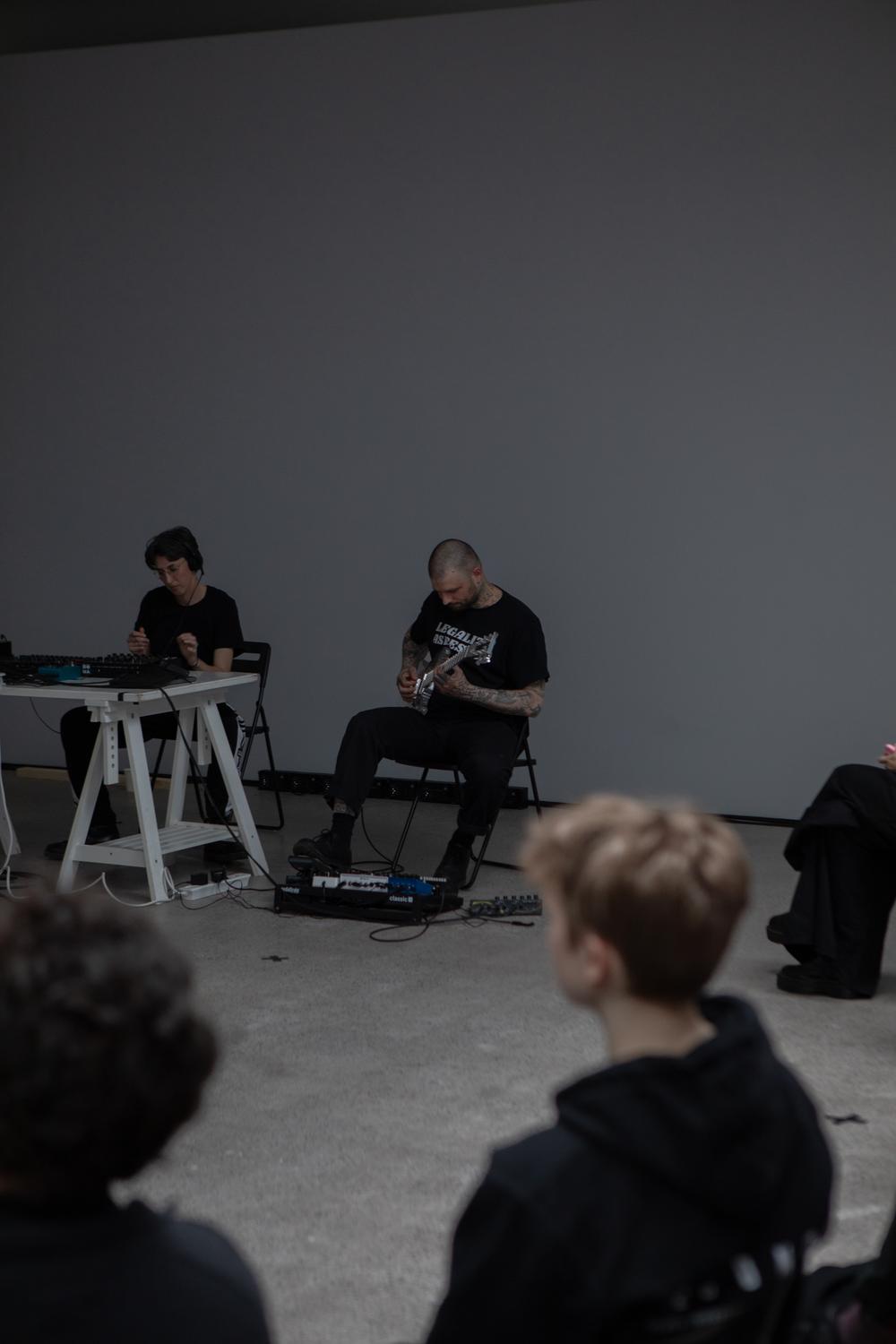
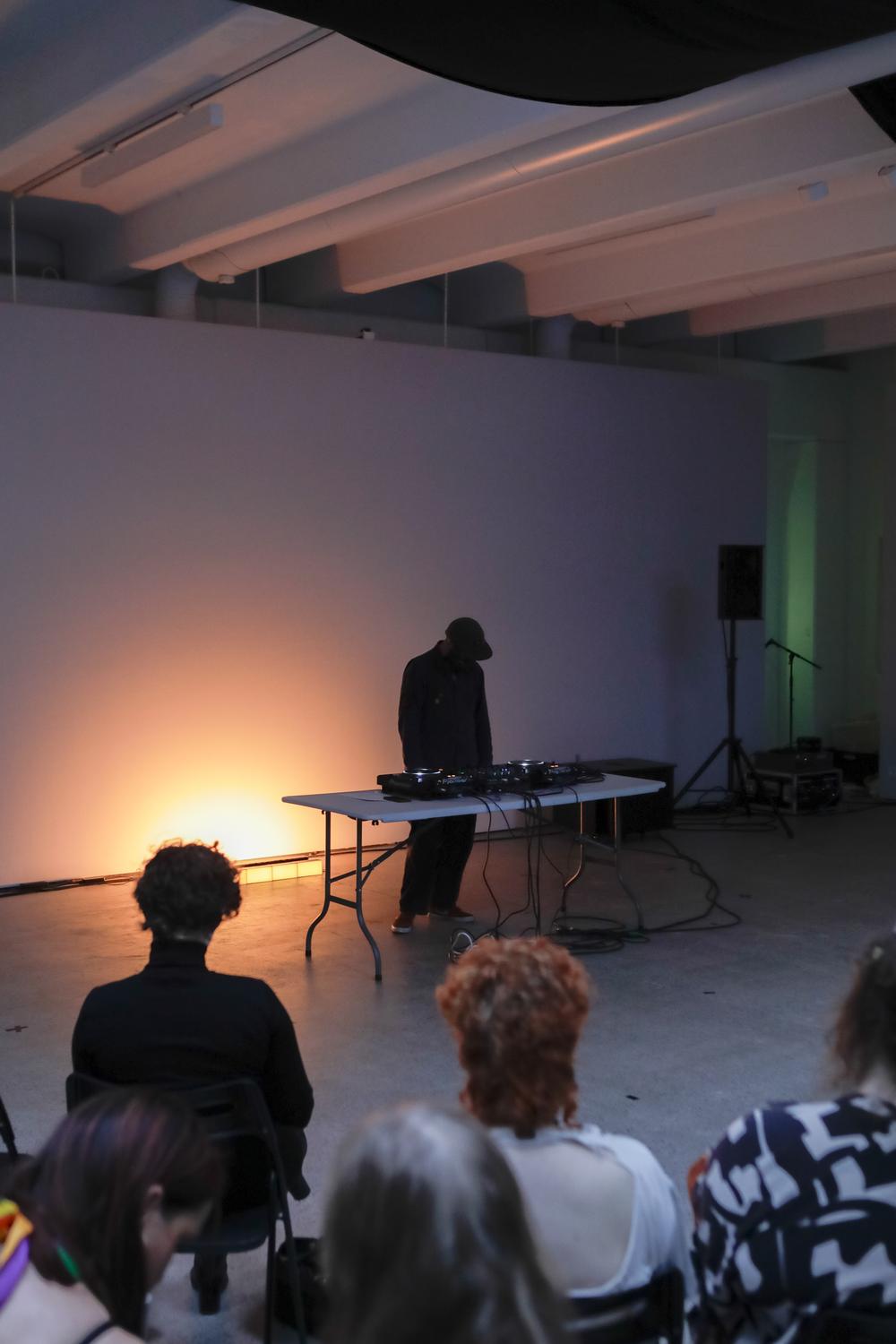
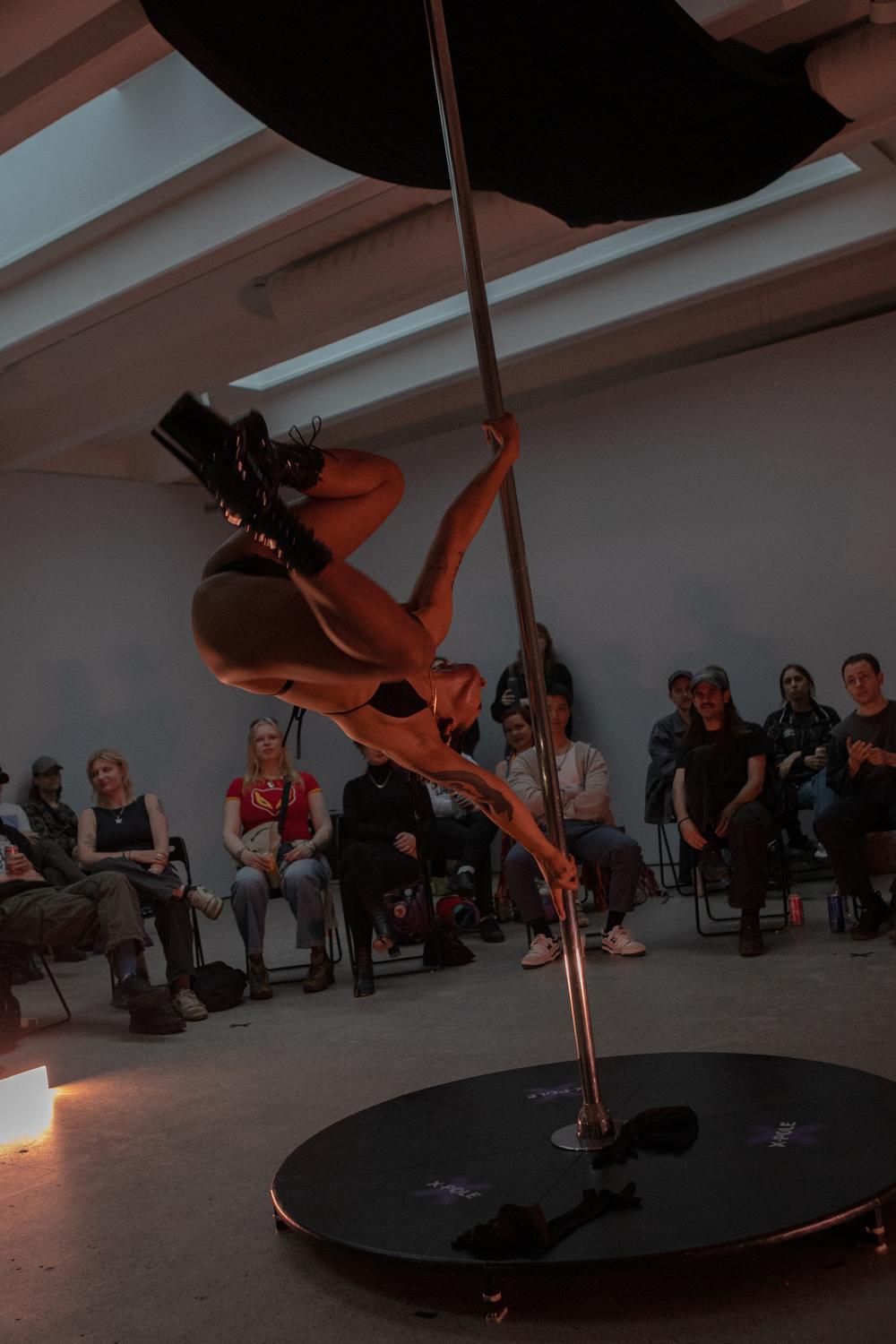
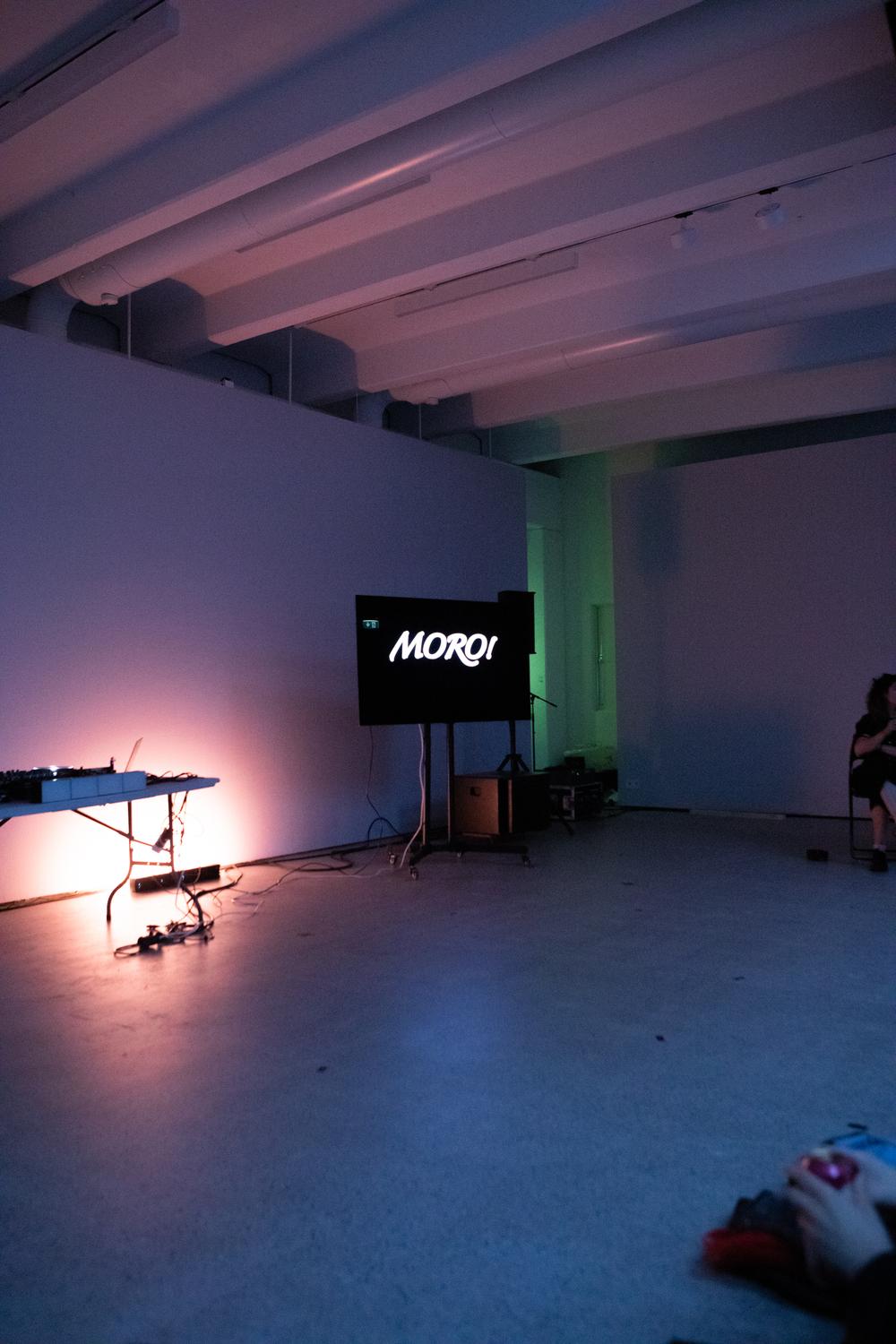
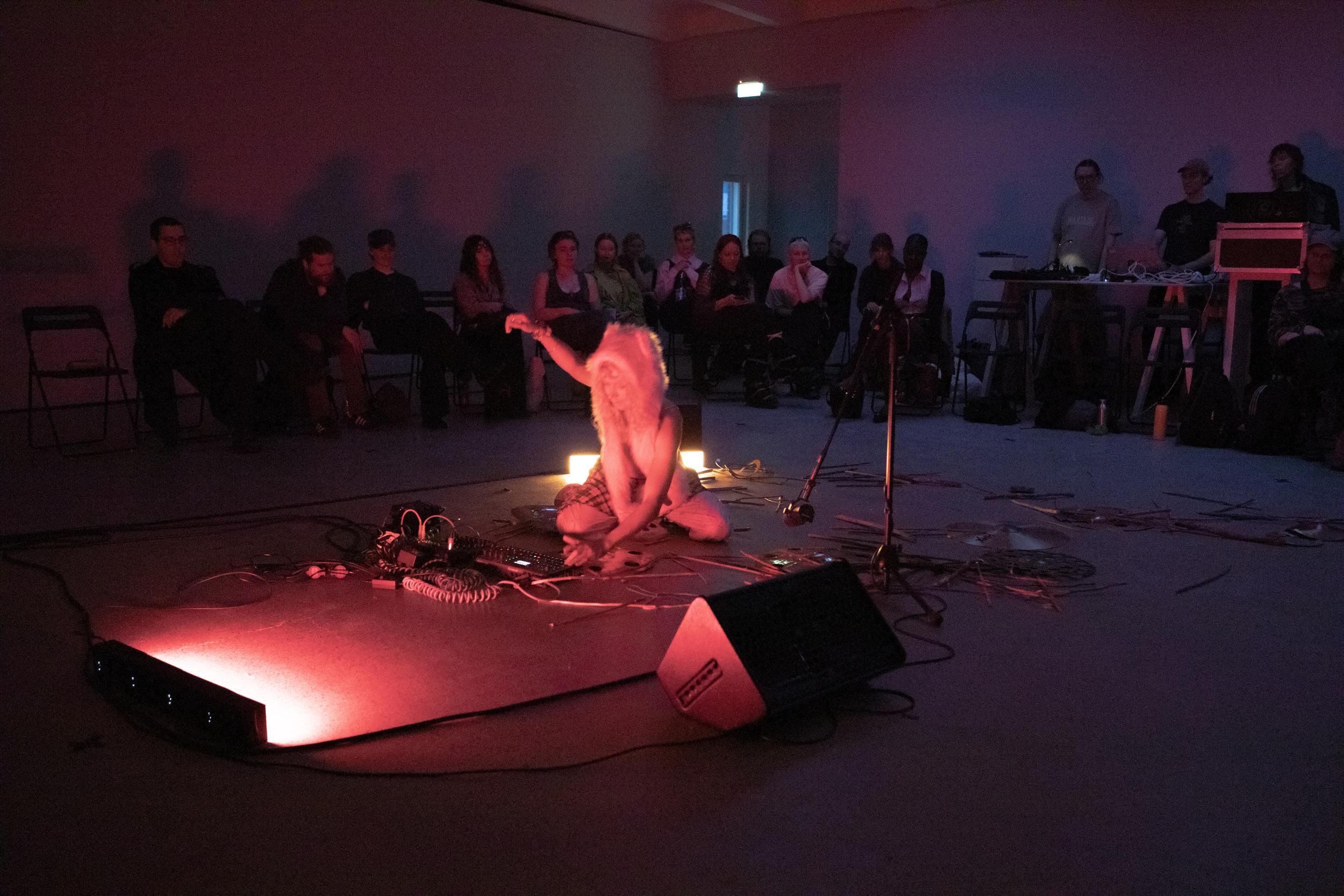
Machines was a series of multidisciplinary art performances hosted and curated by Else Collective, and co-produced with Drifts and Mad House Helsinki at Kohta Kunsthalle.
The third edition of the mini-festival Machines brought together a series of audiovisual performances exploring the tense interplay between machine and organism, control and liberation, order and chaos. The program was anchored in a provocative question: How can we interrupt systemic codes, mechanical labor, exploited bodies, and programmed behaviors, as acts of resistance and emancipation?
Through malfunction, re-sampling, and remixing, the participating artists disrupted and reprogrammed these systems toward disobedience, creating space for unruly and uncontrolled machines.
Participants
Alsa Ojala, Hermanni Härmälä & Pyry Rämö, Phan Nguyen & Trang Chung, Enbo, Soko Hwang, Abaris Moerae, Laura MRLS & Röd Mjölk, Dmytro Bondariev, Iida Valmé, Esa Kaari, Henia Nikkilä
Light technician: Mikko Kaukonen
Sound Technician: Ilja Pippa
Poster: Aala Nyman
About Else Collective
Else Collective is an art collective that engages with heterogeneous cultures through multidisciplinary practices across exhibitions, events, and collaborative projects. Else creates spaces for experimental artistic practices. Based in Helsinki and founded in 2022, the collective comprises artists and curators Soko Hwang, Laura Bestle Morales, Trang Chung, Aala Nyman, and Phan Nguyen.
Performance series curated to showcase Nordic experimental sound and live music in Denmark, Sweden and Norway
Spanning across three cities – Malmö, Copenhagen, and Bergen – the project highlighted the regional diversity of the electronic and experimental scene. By connecting underground talents across Scandinavia, the showcase fostered a unified yet multifaceted Nordic sound identity through high-impact live performances.
Participants:
Alice, Copenhagen: Asta Norborg (FASCIA), Harald Bjørn (Soli City), Ilavenil Vasuky Jayapalan (Nagaver) Inkonst, Malmö: Alsa Ojala (Keiska), Marleena Lampinen (Moonilena), Pieter Christophssen (Hekla) Östre, Bergen: Pauline Hogstrand, Ingri Høyland, Puyain Sanati
Partners & Supporters
Upnode is a festival network between Norberg Festival, Intonal Festival, Alter Festival, Ekko Festival, Insomnia Festival, Extremechill Festival and Proton Agency. Funding: Nordic Culture Fund
About Upnode
Up Node is a network of Nordic festivals for experimental music and sonic arts. The project is formed through collaboration between the festivals and organisations of Alter (DK), Extreme Chill (IS), Insomnia (NO), Proton (DK), EKKO (NO), Drifts (FI), Intonal (SE) & Norbergfestival (SE). The partners are all established independent actors from across the Nordic Region. All partners are established and credible independent actors in the Nordic cultural field and share a common starting point in community-led and community-oriented organisation and work towards presenting emerging artistic expressions and cross-disciplinary programming.
Collaboration across the Nordic partners is important to create solidarity among organisers who face similar challenges. A synergy between Nordic festivals who all promote experimental acts increases their visibility and ability to impact the regional cultural scene.
Project is led by Norberg festival(Norberg, Sweden).
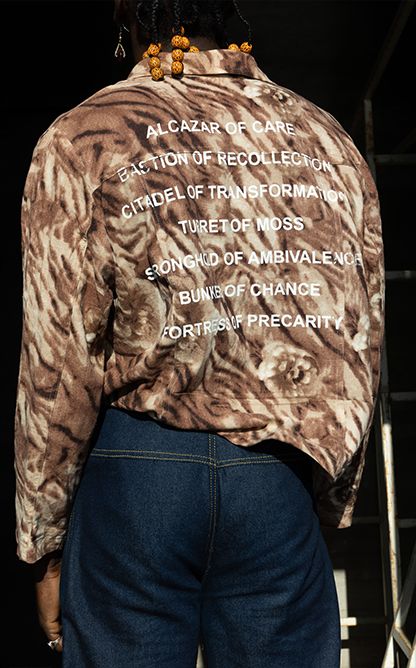
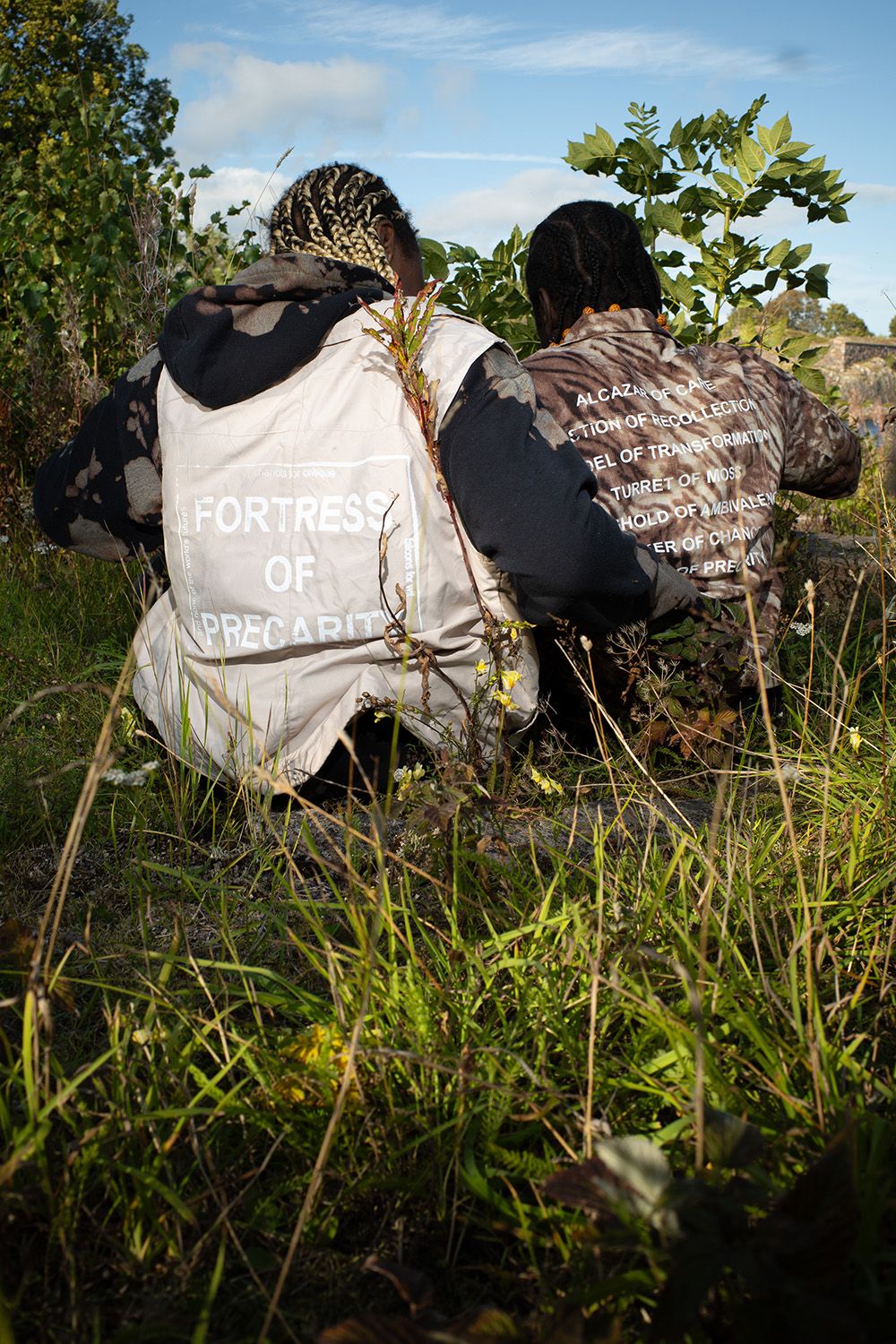

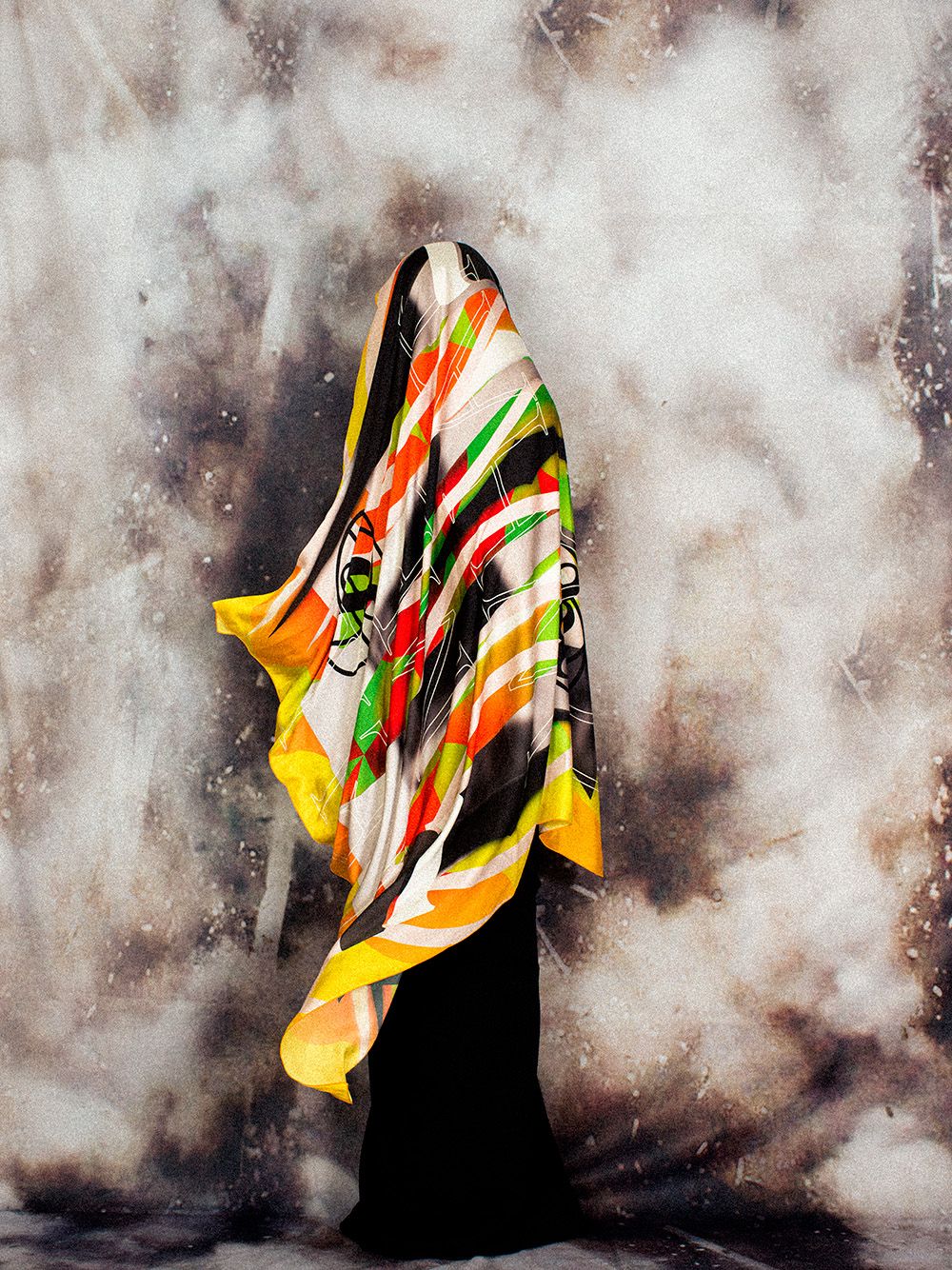
Drifts Festival and Under The Leaf book fair commissioned experimental poems and graphics to artist Jaakko Pallasvuo for producing wearable arts.
Credits
Artist: Jaakko Pallasvuo
Production: Drifts, Under the Leaf
Photography Concept: Justin Ugochukwu
Photography:Justin Ugochukwu, Viivi Iida, Ilona Paivasaari
Models: Jesse Esselin, Moriamo Ahmed
Casting: Ahmed Barakat, Phan Nguyen
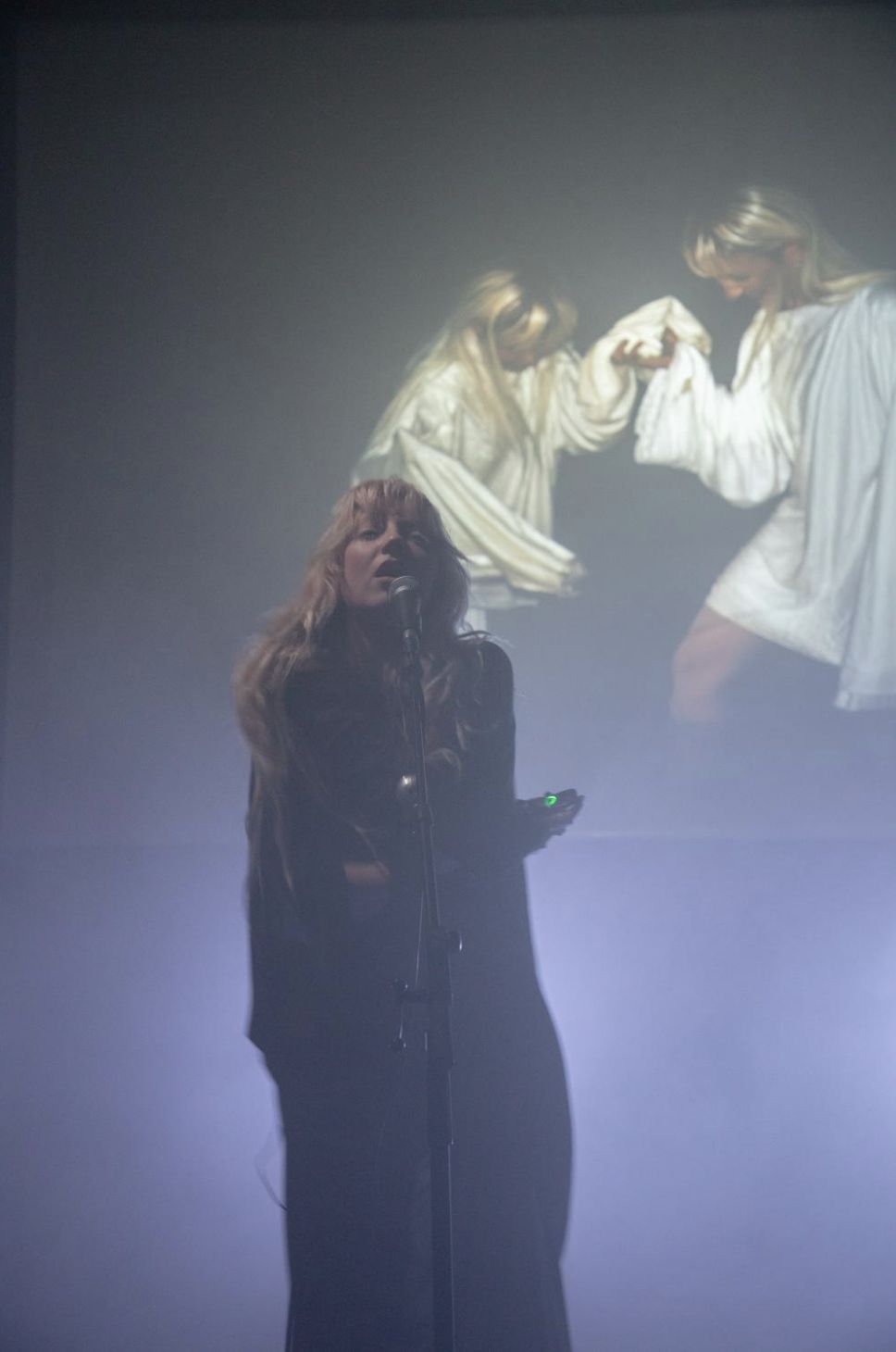
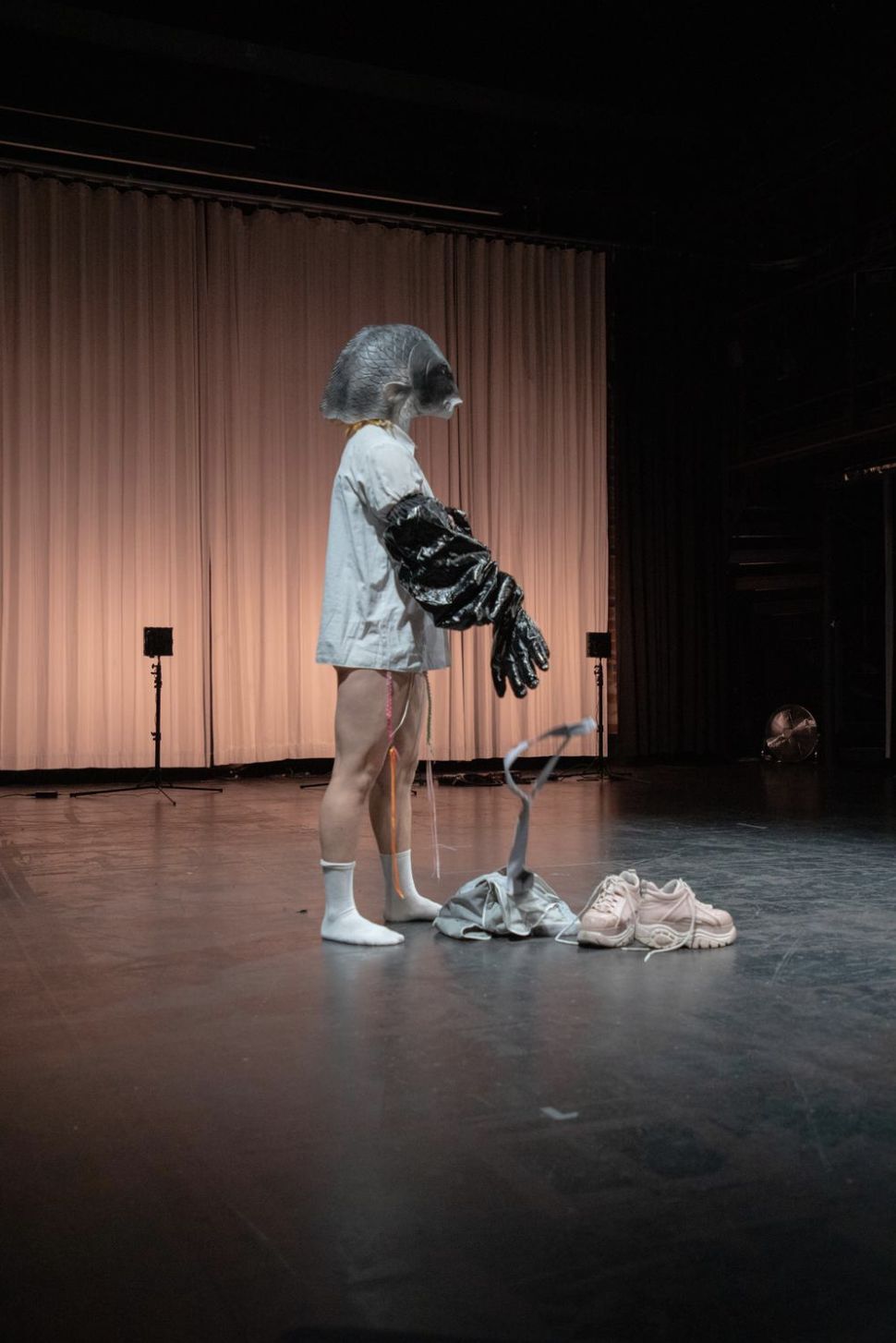
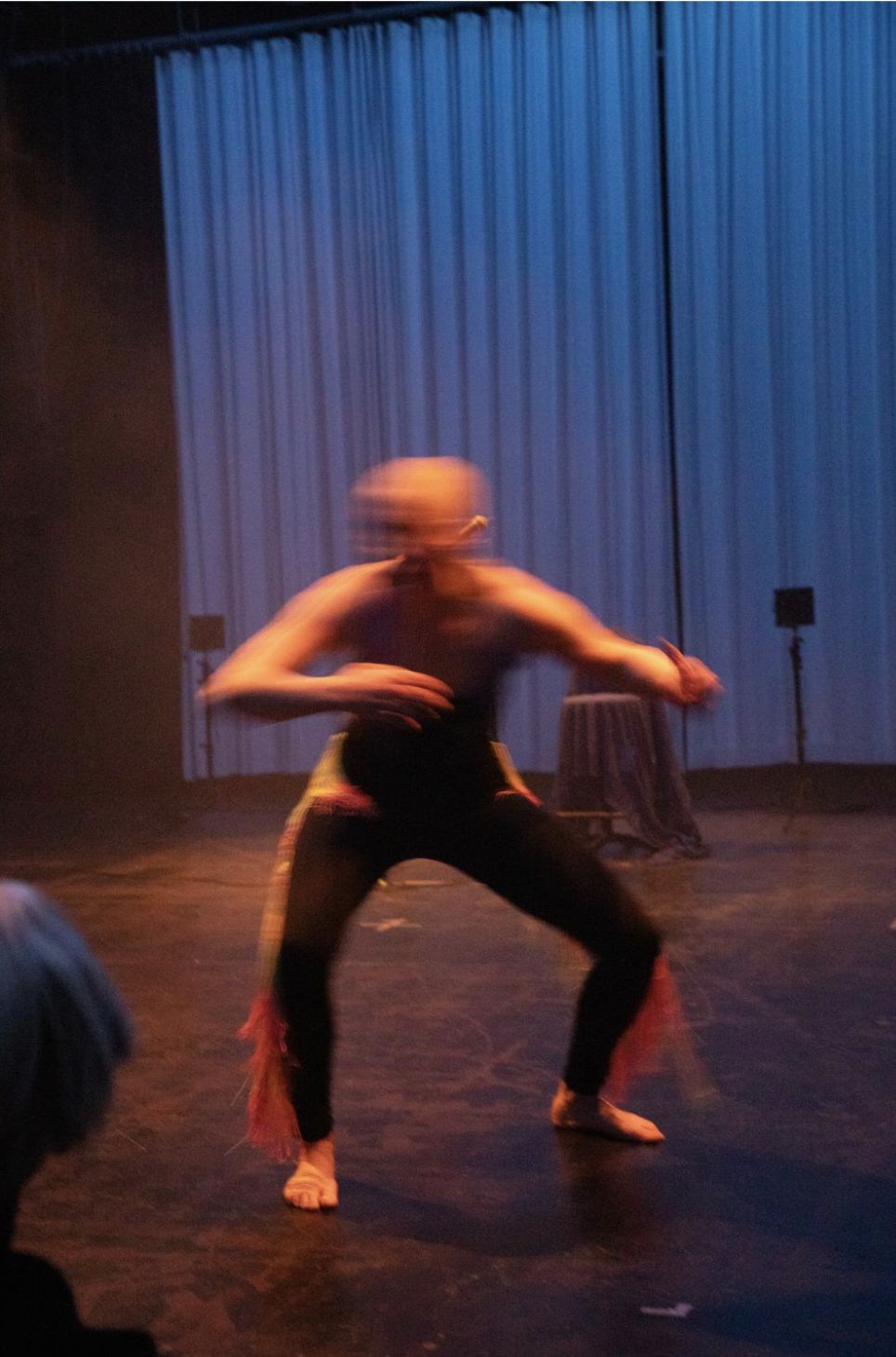
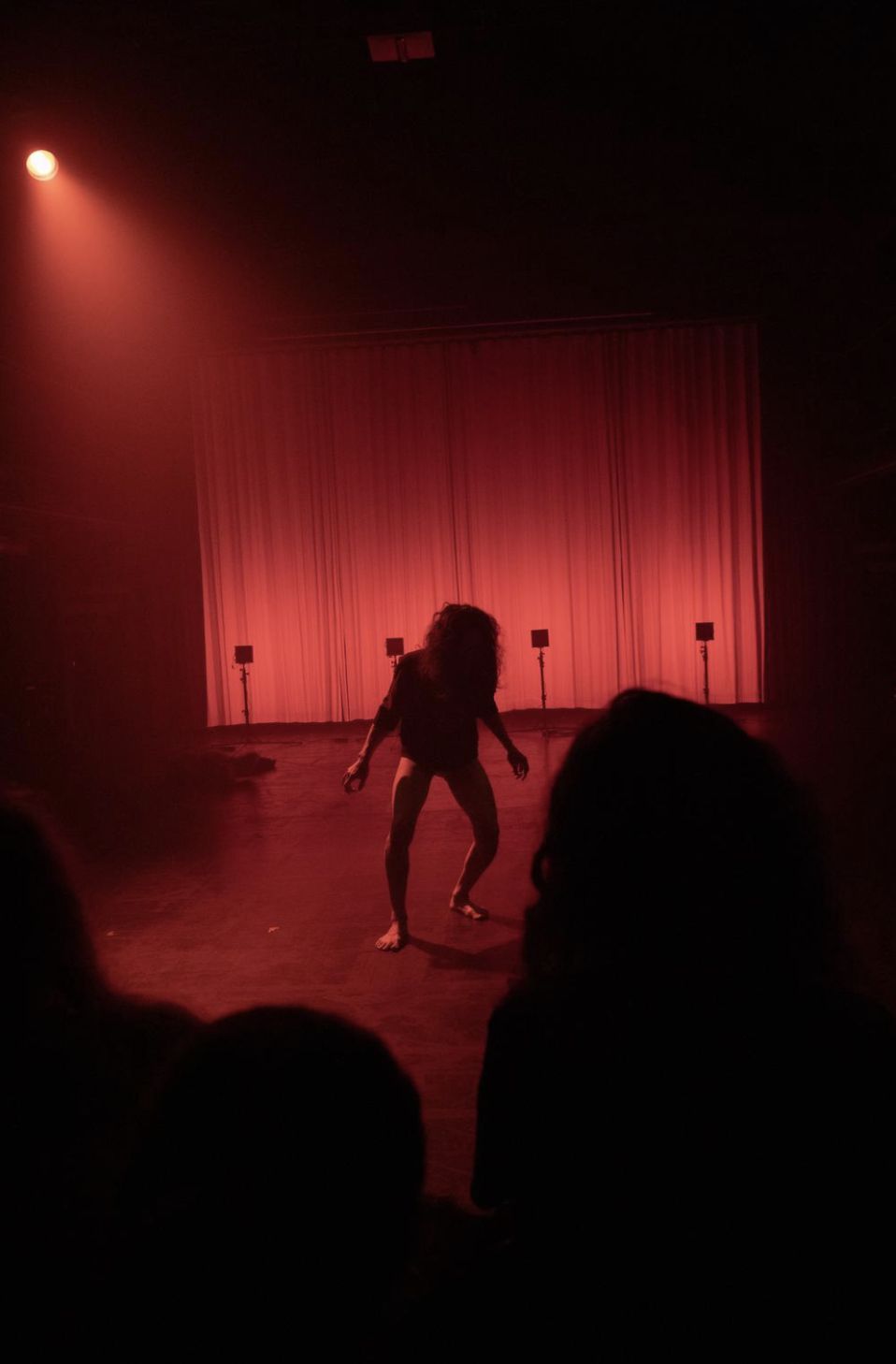
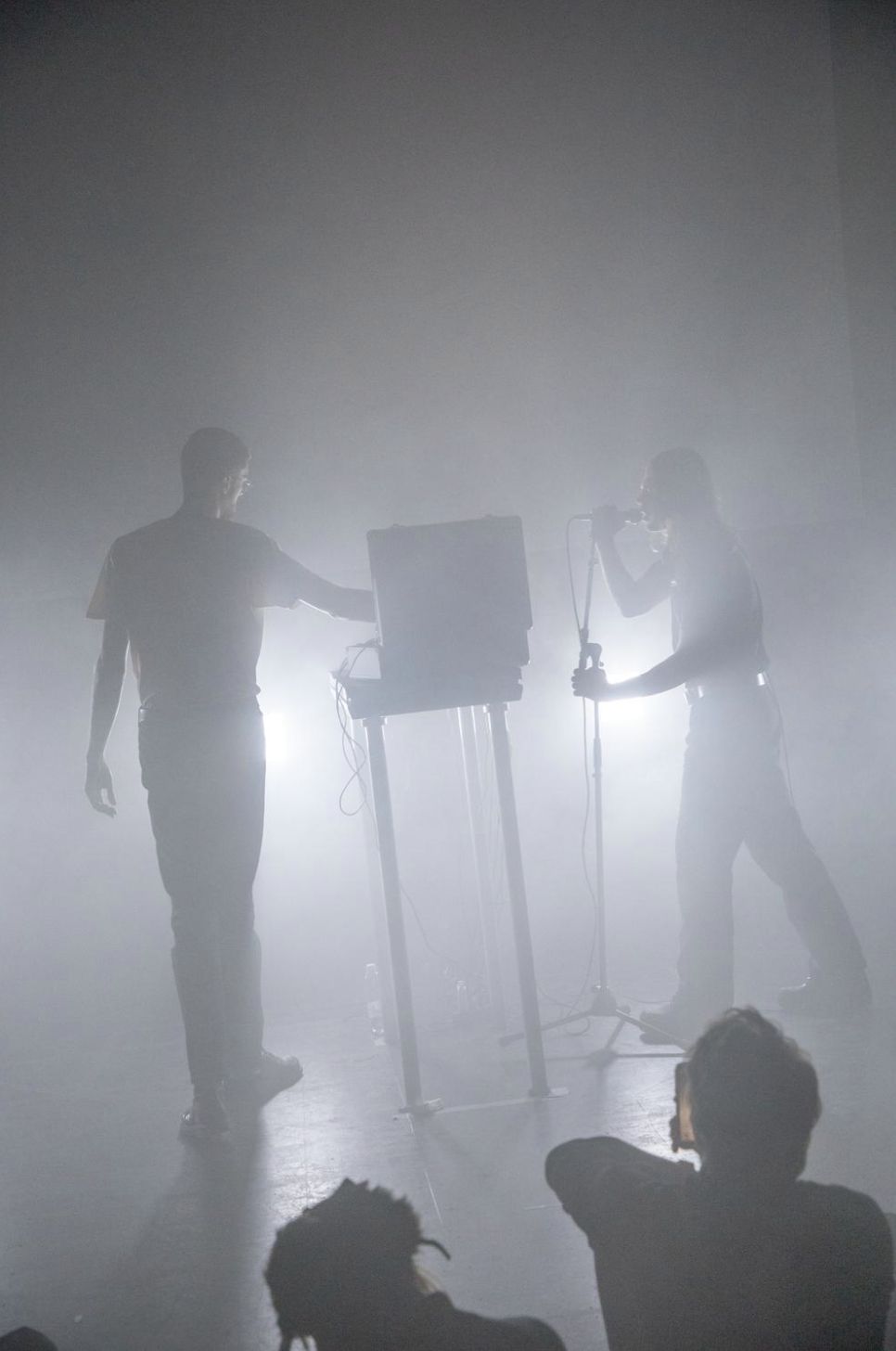
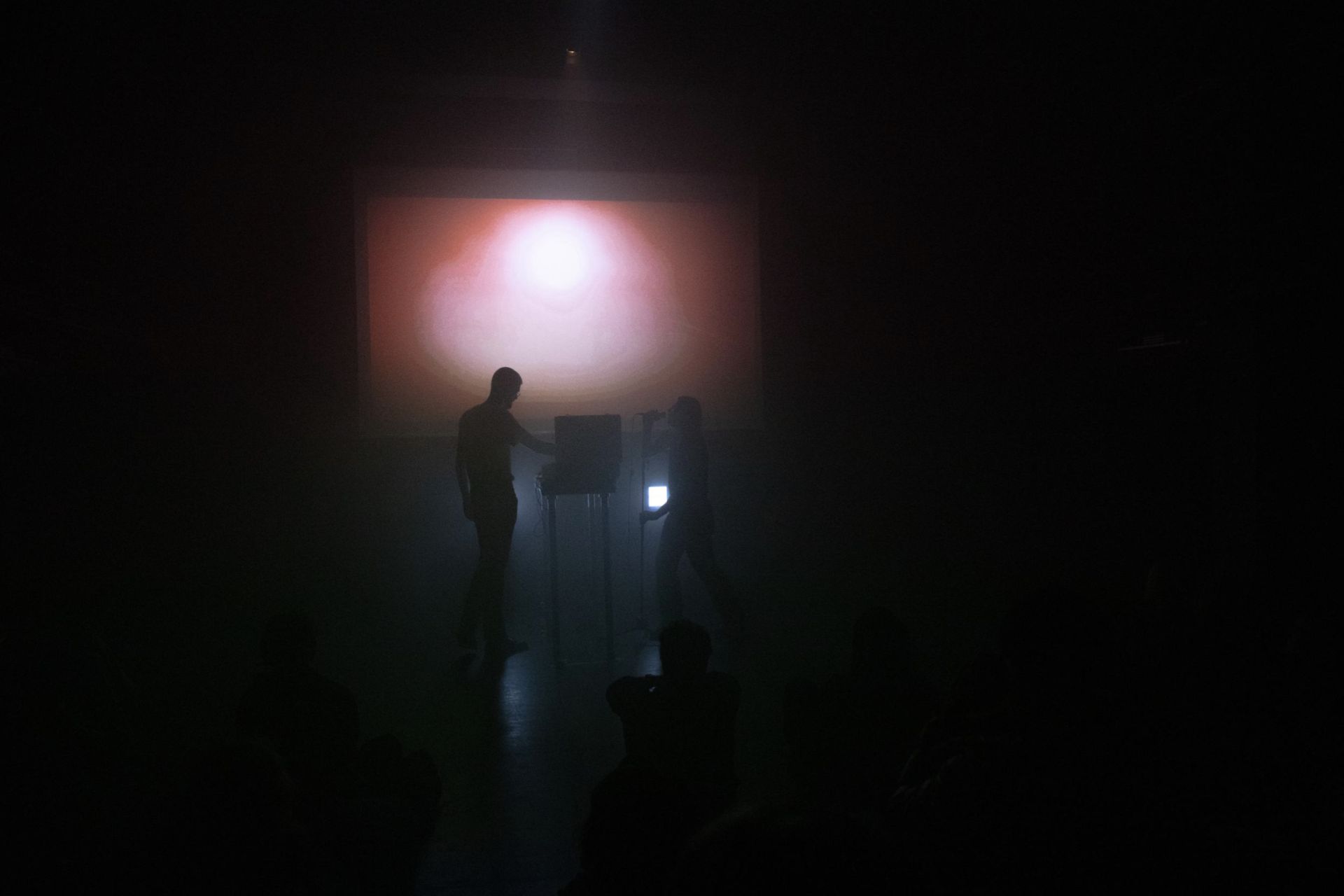
Monsters was a series of multidisciplinary art performances hosted by Else Collective and co-produced with Drifts, Mad House Helsinki and Pixelache.
Curated and led by Else Collective, the project explored the theme of Monsters as a reflection on forms of uncontrolled wildness that challenge societal norms, gender binaries, Western scientific rationalism, and colonial ideologies. Through audiovisual performances and screenings, Monsters examined transformative and ambivalent states between human and beast, rationality and intuition, control and liberation, and reality and fantasy.
Participants:
Lauri Lohi, Riikka Lakea, Moona Pennanen, Soko Hwang, Tashi Iwaoka, Erika Sirola, Hollowland
About Else Collective
Else Collective is an art collective that engages with heterogeneous cultures through multidisciplinary practices across exhibitions, events, and collaborative projects. Else creates spaces for experimental artistic practices. Based in Helsinki and founded in 2022, the collective comprises artists and curators Soko Hwang, Laura Bestle Morales, Trang Chung, Aala Nyman, and Phan Nguyen.


Faster Harder Stronger engages in conflicting images of the post-Soviet gentrification in the Estonian capital Tallinn. The posters as a triptych form reconstruct the contradictory relation between the historical decay of Soviet architecture and the signs of nationalism, global tourism in Tallinn.
In the city, images of the medieval Old Town are represented as a national symbol and landmark in the context of global tourism and capitalism. On the other hand, after the Soviet Union collapsed, Linnahall, a public space constructed during the Soviet period, has been in semi-ruin. Some industrial factories which evoke memories of communal production have also been ruined or transformed to commercial places as Estonian land property shifted from state-owned land to privatization.
Soko Hwang is a multidisciplinary artist, designer and curator based in Helsinki. His artistic and curatorial practices had the focus in observing and deconstructing, from an anti-colonial perspective, the violent history, the national narratives and colonial legacies of euro-centralism through experimental video works, photography and installation.
Julia Trofimova is a fashion and textile designer. Her research and design projects explore the relationship between social noise and design, as well as subculture and hybridity. Her works examine the ways in which fashion design can be used as a vehicle to enhance engagement with society.